Tag: Suneet Singal

  • The Importance of Mental Health Awareness in Community Service

    The Importance of Mental Health Awareness in Community Service

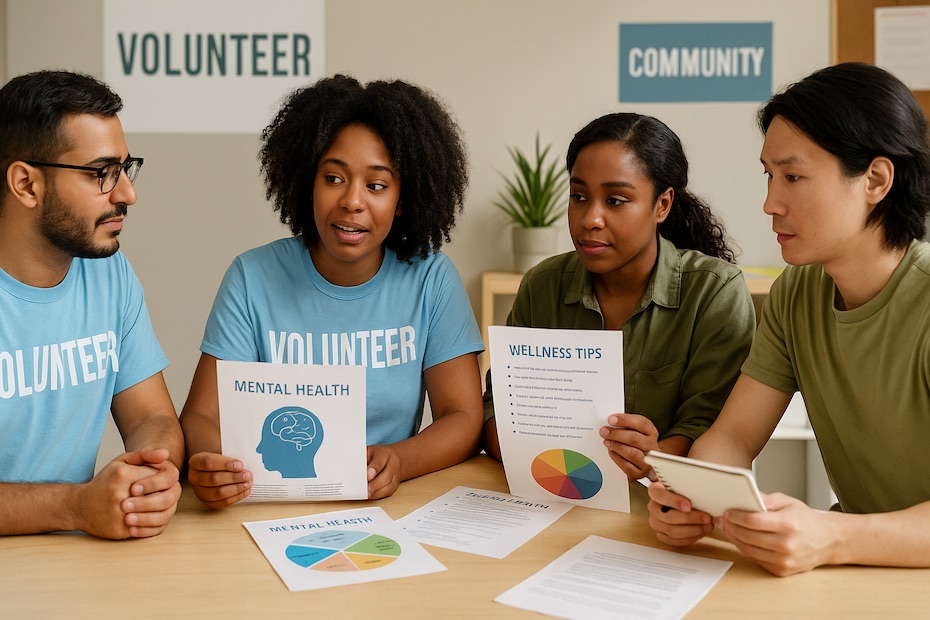
    When you’re immersed in community service, your energy often goes straight into helping others. But what happens when the helpers need help? Volunteering can expose you to trauma, stress, and emotional weight that slowly builds up over time. If mental health isn’t acknowledged or addressed, burnout sneaks in, turnover rises, and the mission you care about suffers. Prioritizing mental health awareness is no longer optional—it’s the foundation for long-term impact. This article gives you practical ways to integrate emotional wellness into your work, protect your team, and serve communities with greater empathy and strength.

    Recognizing the Emotional Toll of Service Work

    You’re likely no stranger to the stress that comes with helping people in need. Whether you’re mentoring someone with a troubled background or distributing supplies after a natural disaster, the stories you hear and the situations you witness leave a mark. While most volunteers sign up expecting physical effort, they often aren’t prepared for the emotional load that follows.

    Over time, this emotional weight leads to compassion fatigue. You might start feeling drained, impatient, or detached. These signs don’t make you weak—they’re warnings that you need recovery and support. Without attention to mental health, dedicated volunteers often burn out and walk away, leaving organizations scrambling for replacements.

    Why Mental Health Must Be a Core Strategy

    If you want to keep your volunteers engaged and your programs effective, mental wellness needs to be built into your core operations. That means planning for rest, recovery, and emotional support just like you plan for supplies or schedules. It’s not about adding another task—it’s about creating an environment where people can do meaningful work without losing themselves in the process.

    When mental health is part of the culture, everyone benefits. Volunteers stay longer, teams communicate better, and the people you serve feel more supported. You don’t need a licensed therapist on every shift, but you do need awareness, language, and tools to check in and manage emotional strain.

    Building Teams That Talk About Mental Health

    Volunteers often hesitate to share how they’re feeling because they don’t want to seem ungrateful or incapable. That silence builds pressure. You can break that cycle by opening conversations before things go sideways. Normalize asking questions like, “How are you holding up?” or “What’s been heavy for you lately?”

    Training sessions focused on mental health awareness can help create safe spaces for those conversations. Even a short workshop on stress signals, active listening, or de-escalation techniques helps volunteers feel better prepared. When your team knows how to talk about tough topics, they stop bottling up emotion—and start supporting one another better.

    Structuring Programs to Support Emotional Resilience

    You can also build emotional care into the structure of your programs. That might mean rotating people between high-pressure and low-pressure tasks or shortening shifts after intense service days. You could create a quiet space in your facility where volunteers can take a break and breathe before returning to their work.

    These adjustments don’t need to be expensive or complicated. What matters is that people know they’re allowed to step back without guilt. Resilience isn’t about pushing harder—it’s about having systems that allow you to recover and return stronger. A healthy volunteer is more effective than an exhausted one every time.

    Partnering With Mental Health Experts

    You don’t have to build your mental health strategy alone. Community partnerships can add huge value. Many local organizations offer free or discounted training, access to counselors, or referrals for volunteers who need extra support. Inviting mental health professionals to debrief with your team after a stressful event can make a world of difference.

    Some nonprofits have even embedded licensed social workers into their operations to support both clients and volunteers. If that’s outside your budget, consider a monthly mental wellness check-in led by a trained peer or professional. It’s one of the most affordable ways to reduce burnout and increase emotional safety for your entire team.

    Using Feedback to Strengthen Support Systems

    Don’t guess what your volunteers need—ask them. Short surveys or informal group discussions can reveal common stressors and gaps in your support systems. You might find that people need more frequent check-ins, shorter shifts, or better access to local mental health resources. Or, they might simply want a space to vent.

    The key is to act on what you hear. Let your team know you take their emotional wellbeing seriously. Even small changes—like introducing peer support partners or adding a “feelings board” in your volunteer center—can go a long way toward building trust and reducing the emotional load of service.

    Reducing Stigma Through Open Dialogue

    In some communities, mental health still carries stigma. That silence can be more damaging than the symptoms themselves. You can lead change by using honest, respectful language when discussing emotional struggles. Avoid dismissive labels or assumptions. Instead, focus on listening and making mental health tools visible and accessible.

    Highlight real stories from volunteers who’ve struggled and recovered. Celebrate courage, not perfection. The more you treat mental health as a normal part of volunteer life, the more likely your team is to reach out before they reach a breaking point. And when that happens, everyone benefits—from the volunteers to the communities you serve.

    Key Ways to Support Mental Health in Community Work

    • Train volunteers in emotional awareness and listening
    • Offer rest breaks and shift flexibility
    • Create safe spaces to talk openly
    • Partner with mental health professionals
    • Encourage peer support and feedback

    The Culture You Build Matters

    You don’t have to solve every problem overnight. But if you’re running a community service program, you do have the power to make mental health a visible priority. Your volunteers give their time and energy freely. In return, they deserve a space where they can grow, connect, and recover. Emotional care isn’t an extra—it’s the key to building long-term, sustainable impact in your mission.

    See how past grant winners reduced volunteer turnover by 40% through mental health initiatives – their strategies: suneetsingalgrant.com
  • How to Foster Inclusivity and Diversity in Volunteer Organizations

    How to Foster Inclusivity and Diversity in Volunteer Organizations

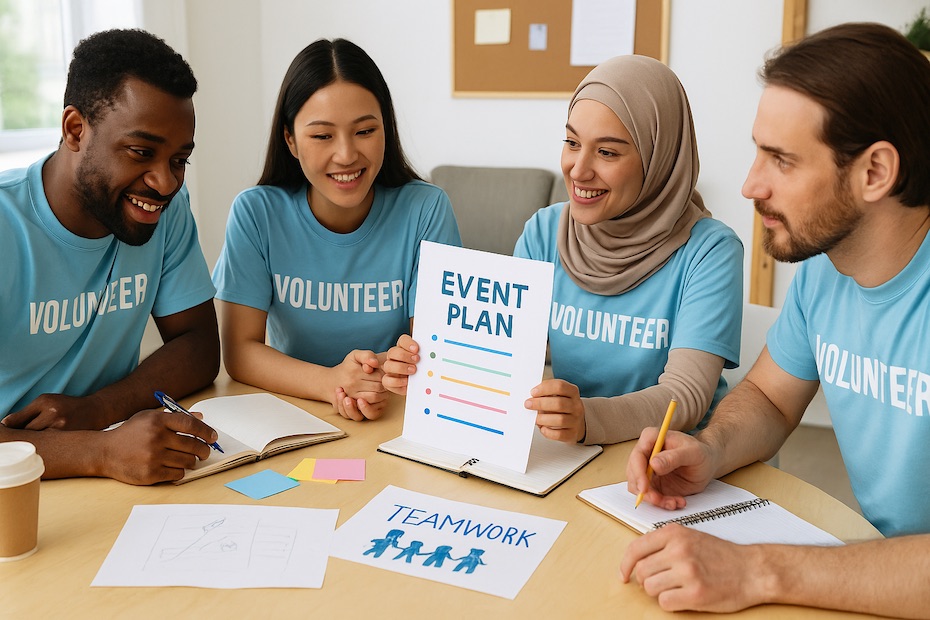
    If you’re leading or participating in a volunteer organization, there’s a good chance you’ve seen how much stronger a team becomes when everyone feels included. Creating space for diverse backgrounds, voices, and abilities isn’t just a box to check—it makes your mission stronger, your impact broader, and your environment more human. In this article, you’ll explore real, actionable ways to improve inclusivity and diversity in volunteer organizations without relying on generic fluff or overused slogans.

    Make Inclusion a Daily Priority

    You can’t treat inclusion like an annual project. It should be baked into your everyday actions—from how you recruit to how you train and engage volunteers. Start by auditing your materials. If your flyers, social media, and language all reflect a narrow demographic, it’s time for an update. Ask yourself if the way you communicate is unintentionally discouraging people from different ethnicities, income levels, or age groups.

    One effective move is setting inclusion goals that are measurable. Don’t just say “we welcome everyone.” Instead, track volunteer demographics, participation rates, and retention over time. If your numbers skew heavily toward one group, adjust your outreach strategy. Community centers, religious groups, and local businesses often serve different demographics than your usual circles. Make it a point to go where your target volunteers are—not just where it’s easy or familiar.

    Address Barriers Before They Stop Participation

    Diversity won’t happen if potential volunteers can’t access your organization in the first place. Look at the practical blockers: transportation, childcare, internet access, or physical accessibility. If your events always happen in hard-to-reach venues or during business hours, you’ll lose people who can’t fit that mold.

    Start with flexibility. Offer evening or weekend shifts, virtual volunteer opportunities, and family-friendly options. If your application process requires a formal resume or references, consider streamlining it to be more accessible. Many people with valuable skills—especially in underserved communities—don’t always have traditional documentation of their experience.

    Train Your Team Beyond Buzzwords

    Throwing around terms like “inclusive culture” doesn’t move the needle unless your team knows what it actually looks like. You need more than a two-hour webinar or a checklist—training has to go deep enough to change behavior and expectations.

    Facilitate real discussions that cover unconscious bias, privilege, and cultural sensitivity. These conversations might be uncomfortable, but they are necessary. More importantly, follow up on them. Check how team leads are managing disputes or resolving microaggressions. You don’t build an inclusive environment through slogans—you do it through consistency, accountability, and honest feedback.

    Elevate Diverse Voices Within Your Ranks

    Inclusion isn’t just about inviting different people to the table—it’s about giving them a voice. If your leadership team doesn’t reflect your volunteer base or community, it’s time to restructure. Tokenism won’t cut it. You need real representation in decision-making roles.

    Promote from within. If someone from an underrepresented background has shown commitment and capability, invest in their growth. Offer mentorship, training, and leadership development opportunities. When volunteers see people who look like them in leadership, it builds trust and signals authenticity.

    Redesign Events and Spaces with Everyone in Mind

    Inclusive volunteer events don’t just happen—they’re built with intention. That means considering sensory needs, language barriers, and physical limitations. Provide language interpretation services or printed materials in multiple languages. Ensure your venues are wheelchair accessible and have quiet spaces for those who need a break from sensory overload.

    Food is another detail that often gets overlooked. Accommodating dietary restrictions isn’t just thoughtful—it shows respect. Little adjustments like these may seem small, but they carry a big message: “We see you. You belong here.”

    Build a Feedback Loop That Works

    Inclusivity isn’t a destination. It’s a habit. And habits improve through feedback. Create multiple ways for volunteers to share their experiences—anonymous surveys, one-on-one check-ins, or small group sessions. Don’t wait for a crisis to ask people how they feel.

    What matters most is that you actually do something with the feedback. If someone points out a recurring issue—say, a supervisor ignoring certain voices—address it promptly. Let the team know you heard the concern and what you’re doing about it. This builds trust and reinforces that inclusion is everyone’s responsibility.

    Collaborate with Community Partners

    You don’t have to figure everything out on your own. Partner with community groups that specialize in working with diverse populations. These organizations can offer insights, referrals, or even co-lead events that draw wider participation.

    These collaborations also signal to your volunteers that you’re serious about diversity, not just putting on a show. And by lifting up voices from outside your core team, you expand your credibility, impact, and access to new networks.

    Key Practices for Inclusive Volunteer Organizations

    • Remove access barriers like rigid schedules or complex applications
    • Represent diverse voices in leadership and planning
    • Offer multilingual materials and inclusive event setups
    • Provide ongoing, honest training on bias and equity
    • Use feedback to improve, not just collect dat

    In Conclusion

    Reshaping volunteer organizations to reflect the richness of human diversity takes more than goodwill—it takes intention, consistency, and shared responsibility. By recognizing bias, improving access, and valuing every voice, you create a space where volunteers not only contribute but also feel seen and respected. Whether you’re leading a community cleanup or organizing global aid, your effort to build an inclusive culture helps ensure the impact of your mission reaches farther, lasts longer, and truly reflects the people it serves.

    Supporting the next generation of inclusive leaders? Our annual scholarship empowers students advancing diversity in community organizations. Meet past recipients: suneetsingalscholarship.com

  • The Role of Education in Empowering Marginalized Communities

    The Role of Education in Empowering Marginalized Communities

    When you work in education or community development, you see firsthand that access to quality learning isn’t just about academics—it’s about dignity, opportunity, and agency. For marginalized communities, education becomes more than a right; it’s a lifeline. It connects people to jobs, health, participation, and a stronger voice in shaping their futures. Whether you’re building programs or advocating for resources, your focus needs to be on making education relevant, accessible, and transformative. In this article, you’ll understand how education empowers marginalized groups, why local context matters, and how to structure educational interventions that unlock long-term potential.

    Start with Access: Removing Barriers to Entry

    Before you can talk about impact, you need to make sure access is real. That means looking beyond physical buildings and asking hard questions: Are students in rural areas walking unsafe distances to school? Do families have the income to afford school supplies or uniforms? Are girls missing school because of lack of sanitation facilities? You can’t empower someone who isn’t in the room.

    You also need to think about psychological barriers. Does the curriculum reflect the student’s identity? Are teachers trained to create safe and supportive environments? Are classrooms inclusive for learners with disabilities? If your system fails to meet people where they are, it ends up reinforcing the very exclusions it’s meant to solve. Your first job is to close those gaps—with transportation, stipends, technology, localized content, or partnerships with grassroots organizations that already understand the challenges.

    Make the Curriculum Practical and Community-Driven

    If your curriculum doesn’t speak to students’ lived realities, it won’t stick. This is especially true for communities that have long been excluded from mainstream education systems—whether due to caste, ethnicity, poverty, or language. When you’re designing programs, your goal isn’t to force integration into a broken mold—it’s to make education fit the learner.

    Incorporate community-relevant topics like sustainable agriculture, digital skills, or local governance. In indigenous or rural settings, consider integrating traditional knowledge alongside mainstream content. Focus on critical thinking, communication, and problem-solving skills that can be applied directly in local contexts. The more you anchor education in what matters to students and their communities, the more ownership and motivation you’ll see.

    Build Economic Mobility Through Vocational and Digital Skills

    Academic pathways aren’t the only route to empowerment. For many marginalized learners, the biggest immediate return comes from vocational training and digital literacy. By helping people develop trade skills or learn how to use basic technology, you give them tools to create value and earn income in practical ways.

    Whether you’re supporting women in rural areas to start small businesses or training displaced youth in digital freelancing, these skills expand what people believe is possible. The confidence that comes from earning your own money can’t be overstated. And when people see that their skills are marketable beyond their village, their vision of the world—and their place in it—starts to shift.

    Link Education to Civic and Social Participation

    Empowerment doesn’t stop at a paycheck. When learners gain awareness of their rights, start asking questions, or participate in local decision-making, that’s where transformation deepens. Education gives people language to challenge injustice, access public services, and participate in systems that once excluded them.

    You need to intentionally build civic engagement into education—especially for marginalized youth. That might include teaching about legal rights, helping learners navigate bureaucracy, or organizing group projects that improve community infrastructure. Programs that blend education with advocacy—like training students to speak at town meetings or mentor others—turn classrooms into engines of change.

    Address Gender Gaps With Intentional Design

    Empowering marginalized communities means understanding how gender cuts across every barrier. In many places, girls are the first to drop out when families face economic strain. Young mothers often have no way back into education. Gender-based violence, early marriage, and lack of menstrual hygiene management are persistent roadblocks to long-term learning.

    You need to design education programs that actively close these gaps. That could mean community sensitization campaigns, flexible schedules for learners with caregiving duties, or school-based childcare. It also means hiring more female teachers and creating leadership pathways for girls. When girls stay in school longer, it changes their futures and the lives of everyone around them.

    Use Education to Break Intergenerational Cycles

    One of the most powerful outcomes you can generate through education is the ripple effect. When one student in a marginalized family earns a degree, completes a certification, or becomes fluent in English, that person often becomes a resource for the entire household. They help siblings with homework, teach parents how to use a mobile phone, and inspire younger relatives to aim higher.

    Your program design should recognize this. Encourage peer mentoring, family workshops, and intergenerational learning. When you empower a learner, don’t just track their individual outcomes—look at the impact they’re having on their network. That’s where the true measure of success lies.

    Invest in Local Capacity and Long-Term Systems

    You can’t build empowerment on short-term projects or imported models. Lasting impact comes when education systems are rooted in local leadership, staffed by trained community members, and supported by long-term funding. Whether you’re working with a government school or an NGO-run learning center, your goal should be to strengthen local capacity—not replace it.

    That means developing teacher training programs in local languages, setting up community oversight mechanisms, and advocating for policy that supports education equity. It also means being honest about what’s not working and letting communities lead the conversation about what needs to change. Education should be a partnership, not a prescription.

    How Education Empowers Marginalized Communities

    • Removes social and economic barriers
    • Provides community-based learning and skill-building
    • Enhances civic participation and local agency
    • Supports gender equity and inclusion
    • Builds long-term systems for generational impact

    You Don’t Just Teach—You Create Possibility

    Education is one of the few tools that can fight poverty, discrimination, and exclusion at the same time—and win. When you bring quality learning to marginalized communities, you’re not just building classrooms. You’re unlocking agency. You’re planting seeds of confidence, resilience, and leadership. And when education is relevant, inclusive, and sustainable, its impact reaches far beyond any one student. It shifts communities, one learner at a time.

    For deeper insights into my work in community development and education, you can find more information on my Crunchbase profile.

  • How to Write Grant Proposals for Community Projects

    How to Write Grant Proposals for Community Projects

    If you’re working to bring positive change to your community, securing funding through a grant proposal can move your idea from concept to reality. But writing a strong proposal isn’t just about filling in blanks—it’s about clearly showing funders why your project matters, how it will work, and what kind of impact it will create. This article walks you through the full process of writing a compelling grant proposal for community-based initiatives, with step-by-step guidance that helps you avoid common pitfalls and increase your chances of getting funded.

    Know Who You’re Talking To

    Before writing a single word, take the time to learn about the funder. This isn’t a formality—it’s the starting point for shaping every part of your proposal. Each organization has its own priorities, whether it’s youth education, environmental justice, food insecurity, or workforce development. Read their website, review previously funded projects, and note what language they use to describe success. If your proposal doesn’t speak directly to their mission, it’s likely to get passed over.

    Even within the same funding category, different grantors will care about different things. One might emphasize short-term impact; another may focus on long-term sustainability. If you’re clear on who you’re writing to, you can avoid sounding generic and tailor your message in ways that resonate with what they actually value.

    Frame the Problem Like You Live It

    Don’t assume funders already understand the issue you’re addressing. It’s your job to define the problem clearly and back it up with local relevance. Use statistics, surveys, interviews, or your own program data to show exactly what challenge your community is facing—and why now is the right time to address it.

    But numbers alone aren’t enough. Ground your explanation in human terms. Describe how the issue affects real people. Explain what gaps exist in services or support. Be specific. Funders are looking for proposals that demonstrate a deep understanding of the problem—not just recycled language that could apply to any city or neighborhood.

    Map Out a Practical, Impactful Plan

    Once you’ve explained the problem, walk funders through exactly how you plan to address it. Break down your goals into clear, actionable steps. Who will do what? When? Where? How many people will be served? Avoid vague promises like “empowering youth” or “increasing awareness.” Instead, write, “We will host eight after-school coding sessions serving 20 students per week from the Hillview neighborhood.”

    Funders need to see that your idea is not only worthwhile but also doable. The more organized and thought-out your project plan looks, the more confidence they’ll have in your team’s ability to follow through. Add a timeline, define responsibilities, and explain your logic for how each step ties into the larger goal.

    Budget with Precision—Not Guesswork

    Your budget should tell a story just as much as your narrative does. Every dollar you request should be tied directly to the activities in your plan. Don’t just round up. Break expenses down: staffing, materials, transportation, marketing, admin costs. Use realistic estimates backed by quotes or past experience when possible.

    Include a budget narrative explaining why each cost is necessary. If you’re asking for $1,500 for printing, explain that you plan to distribute 2,000 flyers in partnership with five community centers. This helps funders understand your logic and builds trust that their money will be used responsibly.

    Show How You’ll Measure Success

    Funders don’t just want to know what you’re doing—they want to know how you’ll prove it worked. Include a short section explaining how you plan to evaluate your outcomes. Will you collect pre- and post-surveys? Track attendance? Measure behavior changes or skill gains? What tools will you use?

    Keep it manageable and relevant. You’re not expected to hire a third-party evaluator for every small grant, but you should have a plan for collecting and analyzing data that shows whether your project is meeting its goals. This also shows you’re committed to accountability and continuous improvement.

    Make the Case for Sustainability

    One of the biggest concerns for funders is what happens after their grant runs out. Show them you’ve thought ahead. Will you seek matching funds? Partner with other organizations? Transition some costs to a membership or fee-based model? Maybe you’ll train volunteers to keep part of the project running.

    You don’t have to guarantee indefinite operations, but you should present a clear plan to sustain either the entire program or the benefits it produces. This helps funders see their investment as the beginning of something meaningful, not just a short-term fix.

    Avoid the Usual Mistakes

    There are some mistakes that repeatedly knock otherwise strong proposals out of contention. These include:

    • Ignoring guidelines: Always follow the funder’s format, word limits, and submission instructions exactly.
    • Overusing jargon: Make sure your writing is clear and readable to someone outside your field.
    • Missing connections: Tie your objectives back to the stated needs of the community and the funder’s goals.
    • Weak proofreading: Grammatical errors and typos can make even a good proposal feel rushed or sloppy.

    To avoid these missteps, have someone else review your final draft. A second set of eyes can catch inconsistencies and unclear language before it’s too late.

    Essentials for Writing Strong Grant Proposals

    • Know the funder’s priorities
    • Define the problem clearly
    • Lay out specific action steps
    • Build a precise, justified budget
    • Plan for measuring outcomes
    • Include sustainability strategy

    Close with Clarity and Confidence

    Wrap up your proposal by summarizing your key goals, restating the potential impact, and thanking the funder for considering your project. Keep it brief and confident. You’ve made your case. Now let your proposal stand on the strength of the work you’ve done to research, plan, and write it. Grant writing may seem intimidating, but when you understand what funders are looking for and present your project with honesty and clarity, your chances of success grow significantly. With every proposal you write, you refine your approach—and get closer to securing the resources your community deserves.

    For additional insights and resources on grant writing and community initiatives, you can connect with me on Facebook.

  • The Benefits of Mentoring Underprivileged Youth

    The Benefits of Mentoring Underprivileged Youth

    When you step into a mentorship role, especially with underprivileged youth, you’re doing far more than offering advice—you’re creating access. These young people often face a system of barriers you may never have encountered: unstable schooling, lack of positive role models, and limited exposure to professional pathways. Mentorship offers a way to help them navigate those challenges with real, actionable guidance. But this relationship isn’t just about them. You gain just as much—if not more—in perspective, emotional growth, and leadership capability. In this article, you’ll explore how mentoring underprivileged youth benefits not only those being mentored but also you as the mentor and the broader community.

    Support Academic and Emotional Development

    One of the most direct benefits you can offer is consistency. Many underprivileged students experience school instability, teacher turnover, or home environments that don’t support academic focus. By showing up regularly and asking about their progress, you introduce stability. That consistency helps them build trust and accountability—two foundational traits for academic success.

    At the same time, you’re contributing to their emotional growth. Listening to their concerns, validating their feelings, and offering encouragement gives them a safe outlet. It may be the first time they’ve been able to openly talk about school pressure or personal challenges without fear of judgment. In that way, your presence alone becomes a form of empowerment.

    Encourage Goal Setting and Future Planning

    It’s hard to plan for a future you’ve never seen. That’s often the challenge for youth growing up without professional role models. You can change that. By walking them through what certain careers look like, explaining the steps to reach those roles, or helping them explore their interests, you expand their sense of what’s possible.

    More importantly, you help them turn dreams into goals. Whether it’s guiding them through the college application process, helping them apply for scholarships, or preparing them for job interviews, you offer the strategic direction they might not get elsewhere. Your mentorship gives them the vocabulary, confidence, and clarity to pursue opportunities with intention.

    Build Communication and Social Confidence

    Many underprivileged youth haven’t had exposure to environments where formal communication is the norm. Through your conversations, you help them practice key skills like active listening, articulating thoughts, and asking questions—without the pressure of a high-stakes setting.

    These skills carry over. Whether it’s speaking up in class, contributing to a group project, or eventually interviewing for a job, your mentee learns how to navigate social interactions more confidently. You model how to express ideas with clarity and respect, and that kind of learning sticks far beyond your meetings.

    Interrupt the Cycle of Disadvantage

    When you invest your time in mentoring a young person from a marginalized background, you’re creating a small but significant interruption in a cycle that often repeats across generations. You’re not just teaching them how to succeed—you’re modeling what it means to give back.

    Over time, these mentees are more likely to pursue leadership roles, mentor others, or engage in civic life because someone showed them how. The ripple effect of one mentorship can multiply over years, shifting how a young person sees themselves—and how they interact with the world around them.

    Experience Personal Growth Through Purposeful Service

    If you’re thinking about becoming a mentor, know this: the learning goes both ways. Mentoring challenges you to be more present, more patient, and more aware of what someone else may be carrying. You develop a stronger sense of empathy and humility, especially when you’re exposed to perspectives that differ sharply from your own.

    You also sharpen your leadership skills. Coaching someone through setbacks, helping them break down goals, or guiding them through big decisions teaches you how to communicate clearly and lead with compassion. These are transferable skills, and they show up in your own career as much as they do in the mentorship relationship.

    Strengthen Community Ties and Social Impact

    You’re not just helping one student—you’re contributing to the health of the entire community. When underprivileged youth have access to guidance and support, they’re more likely to stay in school, pursue higher education, and engage in meaningful careers. That translates into stronger neighborhoods, better local economies, and more civic participation.

    Your presence sends a message: success isn’t reserved for a select few. It’s something that can be built with support, encouragement, and accountability. You’re helping your mentee see that there are people who care, even when systems don’t always reflect that reality. And that sense of belonging can make a measurable difference in their long-term outcomes.

    Discover Mutual Respect and Long-Term Bonds

    The best mentor-mentee relationships often extend far beyond the program’s timeline. Over time, your mentee may view you as a life coach, advocate, or even extended family. These bonds are built on consistency, mutual respect, and shared growth—and they often remain meaningful well into adulthood.

    This connection goes both ways. Seeing a mentee achieve something they once thought impossible is one of the most rewarding experiences you’ll have. It reminds you why your time and guidance matter. And in many cases, your mentee’s success becomes a part of your own story, reshaping how you define impact and legacy.

    Why Mentoring Underprivileged Youth Matters

    • Improves academic and emotional resilience
    • Encourages long-term goal setting
    • Builds communication and life skills
    • Breaks generational cycles of disadvantage
    • Strengthens mentor’s leadership and empathy

    You’re Not Just Teaching—You’re Changing Lives

    Mentoring underprivileged youth isn’t a one-way exchange. It’s a relationship that offers transformation in both directions. You help someone discover their strengths, build skills, and create a future they can own—and in return, you grow in awareness, leadership, and impact. If you’re looking to make a difference that lasts far beyond a single conversation or academic year, this is where you start. Consistent mentorship has the power to change one life—and through it, many more.

    For additional insights and discussions on mentoring and its impact, you can visit my Facebook page.

  • How to Use Social Media to Promote Social Causes

    How to Use Social Media to Promote Social Causes

    If you’re looking to make a real difference with a cause that matters to you, social media gives you one of the most effective tools available today. From raising awareness to inspiring donations and mobilizing volunteers, the reach and immediacy of social platforms can transform how you support advocacy. This article walks you through real strategies—backed by current trends and case studies—to help you use platforms like Instagram, TikTok, and X (formerly Twitter) to fuel movements, connect with audiences, and turn awareness into meaningful action.

    Social Media Isn’t Just a Megaphone—It’s a Magnet

    The power of social media lies in how it allows ideas to spread fast, across borders and generations. But it’s not just about broadcasting messages—it’s about building communities that care. You’re not just posting content; you’re starting conversations. These platforms let you humanize a cause and keep supporters engaged in a way that traditional media rarely allows. Whether you’re spotlighting food insecurity, youth mental health, or climate action, social media offers you a direct line to people who are ready to listen, share, and act.

    Even better, younger demographics—Gen Z in particular—spend most of their online time in these spaces. They respond to authenticity, interactivity, and cause-driven content. This means your message has a higher chance of gaining traction if you understand how to craft and share it effectively.

    Know Who You’re Talking To

    Start by narrowing your focus to the people most likely to support your cause. You need to understand their habits, preferences, and the types of content they engage with. If you’re trying to reach students concerned about climate change, your approach on TikTok will differ from how you’d address working parents on Facebook.

    Use built-in platform analytics or third-party tools to track which posts resonate, then tailor your strategy based on those findings. If one video gets shared hundreds of times, replicate that format. If a certain topic gains traction, dig deeper into it.

    Turn Content Into Fuel

    To keep people engaged, create content that’s easy to consume, share, and react to. This includes short-form videos, infographics, real stories from affected individuals, or even memes—if done tastefully. Variety matters. You can highlight impact statistics one day and spotlight a volunteer’s journey the next. And don’t be afraid to show behind-the-scenes moments—they make the movement feel more human.

    Make sure every post has a purpose. That could be educating your followers, motivating them to act, or simply giving them a reason to care. A clear call to action—whether it’s donating, signing a petition, or reposting—should be baked into your posts without sounding like an ad.

    Use Hashtags Strategically

    Hashtags aren’t window dressing—they’re bridges. Use them to join broader conversations and bring visibility to your content. Create a campaign-specific hashtag and use relevant trending ones to extend reach. For instance, if you’re running a campaign around mental health, using hashtags like #MentalHealthAwareness or #SpeakYourMind links your message with global movements.

    Don’t flood your posts with hashtags, though. A handful of well-targeted ones often perform better than long strings of disconnected tags.

    Collaborate with People Who Already Have Reach

    If you’re not leveraging influencers, you’re missing out on serious exposure. Whether it’s a micro-influencer with a tight-knit audience or a major creator who aligns with your values, partnerships can drive interest quickly.

    One of the most effective examples is Gen-Z for Change—a nonprofit that coordinates with over 500 creators to advocate for climate justice, healthcare, and economic equity. They’ve managed to put real pressure on legislators and bring civil discourse to the top of many TikTok feeds, thanks to the right partnerships.

    When looking for collaborators, pick individuals who share a genuine connection with your cause. Their authenticity makes your campaign more credible.

    Run Campaigns, Not One-Off Posts

    One post won’t make a movement. If you’re serious about impact, treat your social media presence like a campaign. Set clear goals, map out content in advance, and plan phases—awareness, engagement, activation.

    Look at the rebooted Ice Bucket Challenge campaign from 2025. A student-led initiative supporting mental health awareness, it raised over $340,000 and sparked thousands of discussions. They didn’t just post a few flashy videos. They activated campuses, used a clear hashtag (#SpeakYourMind), and followed up with results. That’s how you make momentum stick.

    Use Real Stories, Not Just Facts

    Data is useful, but stories move people. Share real experiences from those your cause impacts. It makes the issue relatable and harder to scroll past. If you’re working with homeless shelters, share testimonials from those who’ve turned their lives around. If your nonprofit plants trees, showcase the community that benefits from restored green space.

    Just ensure you have permission and present these stories with dignity. People don’t want to be pity-clicked into action—they want to feel a genuine connection.

    Build Trust by Being Transparent

    One of the fastest ways to lose traction is by coming across as disingenuous. If you’re running a campaign, show where donations go. Post updates on milestones. If there’s a setback, explain it honestly. Social media thrives on realness.

    Include your team, your volunteers, and even your own journey with the cause. If something goes viral, don’t just ride the wave—engage with the people talking about it, and amplify the voices that matter.

    Key Wins to Promote a Cause on Social Media

    • Tell a short, real story with an emotional hook
    • Use 3-5 relevant hashtags to boost reach
    • Partner with influencers who care
    • Run themed campaigns, not one-off posts
    • Show progress and be transparent

    Track What Works and Keep Adapting

    Platforms change fast. What works on Instagram today may not work in six months. That’s why testing and adapting is essential. Try out different content types—carousel posts, live videos, polls—and compare engagement levels. Follow algorithm updates and social trends, and adjust your strategy to match user behavior.

    You don’t need a viral hit to create change. Consistency, responsiveness, and a genuine tone win over time. Measure what matters—clicks, shares, signups—and stay agile.

    In Conclusion

    If you want your social cause to gain real traction, you need to meet people where they are—and that’s on social media. When you approach it with purpose, strategy, and sincerity, your digital presence can help you turn followers into advocates, clicks into action, and awareness into real-world results. The goal isn’t just visibility—it’s impact. And with the right strategy, you’re equipped to make a real difference.

    Passionate about driving change? My Facebook page shares opportunities and resources to help individuals and organizations secure grants for impactful social initiatives! Let’s amplify our efforts together.

  • The Impact of Global Volunteer Programs on Personal Growth

    The Impact of Global Volunteer Programs on Personal Growth

    When you step into a global volunteer program, you’re doing more than just helping others—you’re reshaping your own perspective, habits, and long-term trajectory. These experiences test your comfort zone, stretch your thinking, and challenge how you connect with the world around you. Whether you’re working on clean water projects in rural villages, teaching English in Southeast Asia, or supporting conservation efforts in South America, the work you do abroad has a way of refining your character while opening your mind. In this article, you’ll understand how these programs unlock personal growth, teach you skills no textbook can offer, and build a foundation of empathy, resilience, and adaptability that lasts long after your return.

    You Learn to Think Beyond Yourself

    One of the first shifts that happens during global volunteering is realizing how much of your daily thinking is centered around yourself. When you arrive in a community where basic needs are front and center—food, shelter, clean water, education—you’re forced to reframe your priorities. You start seeing how much you take for granted. That awareness humbles you. But more than that, it motivates you.

    You begin thinking less about convenience and more about impact. Small acts—fixing a classroom bench, teaching a child to write, assisting in clinic check-ins—start to feel meaningful. You no longer measure success in terms of deadlines or grades, but in lives touched. That shift can shape how you lead, collaborate, and make decisions long after the program ends.

    You Build Cultural Competence Through Experience

    Classroom lessons on diversity can’t match what you learn by living and working in a culture different from your own. Whether you’re trying to navigate a local market in Uganda, communicate respectfully in a remote part of Nepal, or participate in local ceremonies in Peru, you’re constantly learning new social cues and adjusting your behavior to connect with others.

    This kind of immersive learning builds cultural sensitivity—not just tolerance, but genuine appreciation. You gain a deeper understanding of how values, traditions, and community priorities differ. And you stop assuming your way is the only way. In professional settings, this skill becomes a game-changer. You’ll find it easier to work on international teams, adapt to diverse workplaces, and communicate effectively across cultural boundaries.

    You Discover Resilience in Real-Time

    Things rarely go according to plan on volunteer projects. You might face unreliable transportation, language barriers, sudden weather shifts, or limited access to basic materials. But instead of falling apart, you learn to work with what you have. You improvise. You adapt. You develop grit.

    That resilience becomes one of the strongest assets you take home. You start handling stress differently—less panic, more problem-solving. You become the kind of person who stays calm in tough moments, looks for solutions, and supports others under pressure. That mindset will serve you in job interviews, deadlines, and unexpected curveballs in your career and life.

    You Sharpen Communication—Even Without Words

    Working with people who speak a different language teaches you to be present in a new way. You start using body language more intentionally. You pay closer attention to tone, facial expression, and context. You learn to simplify your message while keeping it respectful.

    These lessons carry over into every area of life. You get better at active listening. You communicate more clearly. You become more patient and empathetic in conversations. Whether you end up in customer service, healthcare, education, or tech, these are the communication skills that build trust and reduce conflict.

    You Get Comfortable with Leadership—and Followership

    In global volunteer programs, roles aren’t always assigned the way they are on campus or in the office. Sometimes you’re asked to step up and lead a group. Other times, you’re expected to follow instructions from a local leader or adapt to community decision-making processes. Both roles teach you valuable lessons.

    When you lead, you learn how to motivate people who don’t share your background, language, or expectations. When you follow, you learn humility, respect, and the importance of listening to those closest to the issues. That balance of knowing when to step forward and when to step back shapes you into a more thoughtful leader and collaborator.

    You Learn the Value of Purposeful Work

    There’s something powerful about doing work that isn’t driven by money, grades, or recognition. When you volunteer, the reward is in the doing. You begin to find purpose in service itself. You’re reminded why impact matters more than image.

    This perspective can carry over to your long-term career goals. You might pursue work in social impact, international development, sustainability, or education. Or you might simply bring a deeper sense of purpose into whatever career path you choose. Either way, you’ll be drawn to roles where you feel useful, not just employed.

    You Form Connections That Redefine Networking

    In global volunteer programs, the people you meet—both fellow volunteers and local community members—often become some of your most lasting and influential connections. You’re bonding through shared challenges, mutual support, and meaningful work. These aren’t surface-level relationships.

    Long after the project ends, you’ll find that those connections help shape your worldview, introduce you to new opportunities, and remind you what matters. You may collaborate on future projects, stay connected through global causes, or simply draw strength from knowing people who think beyond themselves.

    You Rethink Privilege, Responsibility, and Global Citizenship

    Spending time in communities with limited resources isn’t just eye-opening—it’s responsibility-inducing. You start to understand how systems of access, inequality, and privilege affect lives. And instead of just observing it, you begin asking how you can be part of a solution.

    You become more conscious of your choices back home. You think about where you spend your money, how you vote, what organizations you support, and how your skills can continue to serve others. You start seeing yourself as a global citizen—someone connected to a broader world, not just your local bubble.

    How Global Volunteer Programs Shape You

    • Increase your cultural understanding
    • Build emotional resilience
    • Improve nonverbal communication
    • Develop leadership and collaboration
    • Foster a lifelong sense of global responsibility

    In Conclusion

    When you join a global volunteer program, you’re signing up for more than community service—you’re starting a journey that shifts how you see the world and yourself in it. You gain practical skills, emotional growth, and a renewed sense of purpose that shapes not just your résumé, but your relationships, career goals, and everyday choices. It’s not about where you go—it’s about who you become in the process.

    Inspired by the transformative power of global experiences? My Facebook page shares opportunities and resources to help students access life-changing educational programs and scholarships! Let’s empower the next generation of global citizens.

  • How to Organize a Successful Charity Event on Campus

    How to Organize a Successful Charity Event on Campus

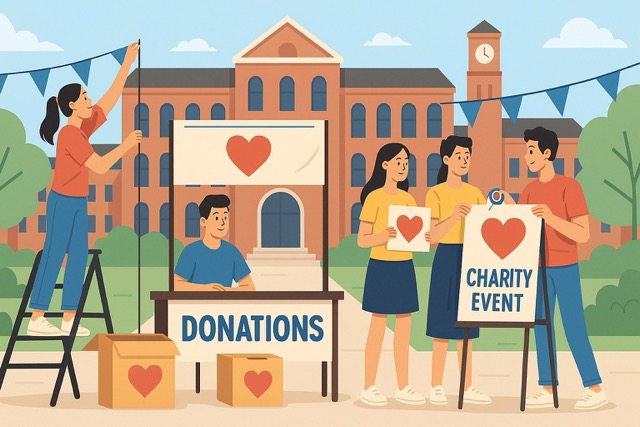
    Planning a charity event on campus can feel overwhelming at first, but with the right mindset and structure, you’ll discover it’s one of the most rewarding experiences you can create during your college years. Whether your goal is to raise money, drive awareness, or mobilize your student body around a cause you care about, organizing a successful event comes down to preparation, communication, and execution. In this guide, you’ll walk through the critical steps to get your campus community excited, attract donations, and make a lasting impact.

    Start With a Purpose That Sparks Passion

    Every strong charity event starts with a cause people care about. Pick something that resonates with your fellow students—a local shelter, international education programs, health research, or even environmental restoration. Once you’ve chosen your cause, clarify your specific objective. Are you trying to raise $1,000? Gather 500 signatures for a petition? Bring visibility to an overlooked issue? The more specific you are, the easier it will be to rally support and measure success.

    You’ll also want to tie the cause into your campus culture. If your college has a strong sports scene, consider a charity tournament. If it’s known for the arts, host a benefit concert or gallery night. Aligning your event with your environment makes participation feel natural.

    Build a Core Team That Can Execute

    You can’t do this alone—and you shouldn’t try to. Assembling a reliable team is one of the first things you’ll want to tackle. Choose people with different strengths: one person who’s organized, another who’s great with social media, someone confident with logistics, and someone who can lead outreach to sponsors or student orgs.

    Once your team is in place, assign roles clearly. You’ll need someone handling permissions with campus authorities, someone managing marketing and design, someone overseeing volunteers, and someone tracking your budget. Weekly check-ins help keep everyone aligned and motivated.

    Choose the Right Format for Your Audience

    The event format should reflect your goal and audience. Fundraising events can range from fun runs and bake sales to talent shows or speaker panels. If your goal is awareness, consider interactive formats like art installations, open mics, or “walk in their shoes” simulations that give students a personal connection to the cause.

    You can also combine formats. For example, a campus concert could have donation booths, QR code posters linking to a crowdfunding site, and video testimonials playing in the background. A multi-angle approach ensures you connect with different types of attendees.

    Get Campus Approval Early

    Before you do anything public, talk to your student affairs office or campus activities department. They’ll help you understand what permissions are needed, whether your event qualifies for funding, and which spaces are available for use. Some campuses require applications weeks in advance for larger events, especially if you’re using audio equipment or expecting crowds.

    Having official backing gives your event legitimacy. It also helps you access student government funding, custodial support, and insurance if needed. The sooner you secure your spot on the calendar, the smoother everything else will go.

    Build a Smart, Flexible Budget

    Start by listing every potential cost—venue, printing, rentals, refreshments, marketing, speakers, and supplies. Then start hunting for ways to offset these expenses. Many local businesses are open to sponsoring campus charity events, especially if they receive promotion or logo placement in return. You can also request in-kind donations like food, prizes, or gear.

    Be conservative in your estimates, and always include a buffer for unexpected costs. Track every dollar as you go. If you’re collecting money through tickets or donations, set up a transparent system for handling funds—your school may have guidelines for this.

    Market It Like It Matters (Because It Does)

    You can plan the perfect event, but if no one shows up, it doesn’t help your cause. Your marketing strategy should begin at least two weeks out. Use posters in high-traffic areas, but focus heavily on digital tools—Instagram stories, student email newsletters, group chats, and even TikTok reels can help you reach students where they already are.

    Make the message about more than just attending. Show people why the cause matters and how their involvement makes a difference. Visuals, personal stories, and a clear call to action make your message hit harder. Encourage student orgs, clubs, and influencers to help share it.

    Make It Easy to Participate and Donate

    The less friction there is, the more people will contribute. If you’re collecting donations, use cashless options like Venmo or QR codes linking to secure payment platforms. If you’re hosting a signup-driven event, keep registration short and mobile-friendly. If volunteers are needed, provide clear shifts and tasks so they can easily commit.

    Even during the event, have visible instructions posted everywhere—where to check in, how to donate, where to grab materials. Simplicity creates better experiences, and better experiences create more impact.

    Focus on Details That Make a Big Difference

    Details are what turn a good event into a great one. Think through the full attendee experience from the moment they arrive to the moment they leave. Is the signage clear? Are your volunteers welcoming? Does the music match the vibe? Are the donation bins noticeable?

    Have a backup plan for weather, technology hiccups, and no-show volunteers. Prepare scripts, checklists, and schedules ahead of time so your team knows what to do. A smooth event reflects well on your cause and makes people more likely to support again in the future.

    Recognize and Thank Everyone

    Once the event ends, your job isn’t done. Post-event gratitude goes a long way. Thank your volunteers, team members, sponsors, and donors. You can use social media shoutouts, personal emails, or even handwritten notes. Include a recap of how much you raised or how many people participated.

    Let people see the outcome of their efforts. Show photos, impact stats, or thank-you messages from the cause you supported. This reinforces the value of participation and sets the stage for your next event.

    How to Host a Successful Campus Charity Event

    • Start with a cause and clear goal
    • Form a reliable team with defined roles
    • Pick a format that fits your audience
    • Secure campus approval and plan the budget
    • Promote early and often with a strong message

    In Conclusion

    Organizing a charity event on campus isn’t just about raising funds or awareness—it’s about showing your peers the power of collective action. With the right planning, the right people, and a commitment to the cause, you can build something that creates real change. Whether you draw 50 or 500 attendees, you’re proving that leadership doesn’t need a title—it just needs a plan and the drive to follow through.

    Inspired to make a difference on your campus? You can find more of my thoughts and insights on community engagement and leadership on my SoundCloud! Let’s amplify our impact together.

  • The Role of Environmental Sustainability in Corporate Giving

    The Role of Environmental Sustainability in Corporate Giving

    If you’re managing corporate philanthropy or shaping community partnerships, you’ve likely seen the shift toward environmental sustainability. Giving back is no longer just about donations and good press. More companies are using their resources to support environmental goals—because your long-term success is directly tied to the health of the communities and ecosystems you operate in. From strengthening brand trust to meeting investor expectations, integrating sustainability into your giving strategy isn’t just smart—it’s expected. This article walks you through how environmental responsibility fits into corporate giving and why it’s becoming a critical part of business strategy.

    Connect Your Giving to Real Environmental Outcomes

    If you’re donating without purpose, your giving probably isn’t doing as much as it could. When you align your charitable efforts with environmental goals that tie back to your core business, you not only do good—you make your efforts more relevant and measurable. Say you’re in the energy, manufacturing, retail, or transportation space—there’s already a connection between your business model and the environment. So, why not focus your giving on supporting renewable energy projects, local conservation groups, or reforestation programs?

    This type of alignment creates a more credible and targeted narrative. Your customers, employees, and partners see that your giving isn’t random—it reflects awareness and accountability. That makes your contributions more authentic and more impactful, especially when they complement the environmental commitments you’re already making operationally.

    Earn Consumer Trust Through Transparency and Action

    It’s not enough to say your company cares about the environment—people want proof. If your philanthropy includes support for environmental education, wildlife protection, or clean energy, that needs to be communicated clearly and consistently. Most consumers will give you credit for supporting causes they care about—but only if you’re upfront and specific.

    You’ve probably seen how younger customers, in particular, are tuning out greenwashing. That’s why it’s important that your giving is backed by actual impact—metrics, long-term partnerships, or staff involvement. Whether you’re sponsoring ocean cleanups or reducing waste through product packaging, sharing those stories shows that your company walks the talk. Over time, this transparency builds loyalty and gives your brand a distinct voice in a crowded market.

    Involve Employees in Something Bigger Than a Paycheck

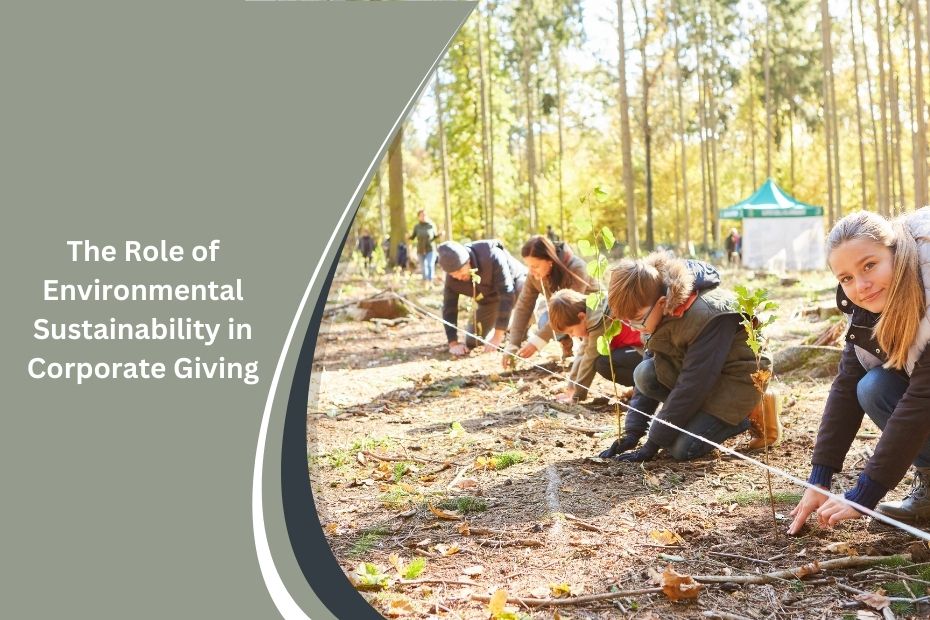
    When your employees get the chance to take part in sustainability projects—like tree planting, urban gardening, or energy-saving initiatives—they feel more connected to their work. Volunteer days or community events give people a chance to step away from their regular roles and do something that directly benefits the environment and their local area.

    That kind of experience sticks. It’s not just a “perk” or a box to check. It creates a stronger sense of purpose and belonging. You’ll see better engagement, more team collaboration, and stronger retention because people are more likely to stay with a company that reflects their personal values. Giving your team meaningful ways to participate in environmental causes turns your workplace into a place where doing good is part of the culture—not just the PR strategy.

    Attract Investors Who Prioritize ESG

    If you’ve spent any time in boardrooms or investor meetings lately, you’ve heard the term ESG—Environmental, Social, and Governance—over and over again. Investors are paying closer attention to these metrics because they see long-term risks in companies that ignore environmental concerns.

    When your giving strategy includes a strong sustainability focus, it reinforces your company’s ESG performance. That matters if you’re looking for capital or long-term partnerships. Your donations to environmental organizations, your involvement in clean-tech pilot projects, or your support of circular economy startups all demonstrate that you’re future-focused and thinking beyond quarterly earnings.

    This gives you an edge with investors who care about stability and responsible growth—and that group is only getting bigger.

    Anticipate Environmental Regulations Through Community Action

    Waiting for regulation to force your hand isn’t a winning strategy. Whether you’re working in chemicals, logistics, tech, or agriculture, you already know environmental regulations are tightening globally. But when you support local and national sustainability efforts through your giving, you’re positioning yourself as a collaborator rather than a target.

    That could mean backing wetlands restoration in areas where your facilities operate, investing in green infrastructure near your warehouses, or sponsoring training programs in environmental health and safety. These actions build relationships with local leaders and communities that pay off later—especially if you need their support during an expansion, permit application, or public review process.

    It also gives regulators and watchdog groups fewer reasons to treat your company as an environmental laggard. When you’re visibly contributing to solutions, you create goodwill that can’t be bought last-minute.

    Secure the Future of Your Own Supply Chain

    The environment isn’t a separate issue from your operations. If your business depends on agriculture, water, energy, or raw materials, your supply chain is already vulnerable to climate disruptions. Drought, pollution, and resource scarcity hit the bottom line faster than most people expect.

    Corporate giving that supports sustainable resource management isn’t just feel-good—it’s business continuity. You could invest in watershed restoration, sustainable farming programs, or research on drought-resistant crops. These aren’t abstract contributions. They protect the raw inputs you rely on and stabilize the communities you source from.

    When your philanthropy supports long-term environmental health, you’re investing in a more predictable, resilient future for your own company. That’s smart giving with a direct return.

    Look at Who’s Doing It Well

    You don’t have to start from scratch. Plenty of companies have already made environmental sustainability a core part of their giving. Look at how Coca-Cola Consolidated has tied its charitable partnerships to recycling education and access to clean water. Their Refresh. Recycle. Renew. program includes community events, school education, and infrastructure support for bottle collection.

    Hyundai has directed corporate funds toward STEM education and environmental health as part of its broader social impact goals. Meanwhile, Phillips 66’s Wood River Refinery committed over $1 million to local environmental and educational initiatives, balancing corporate responsibility with local needs.

    These companies didn’t just throw money at a problem—they built community trust by showing consistency between their values, their giving, and their day-to-day operations. That’s a model worth studying and adapting.

    Why Sustainability Matters in Corporate Giving

    • Builds brand loyalty through environmental responsibility
    • Increases employee engagement through hands-on impact
    • Appeals to ESG-focused investors
    • Reduces regulatory risks through visible community support
    • Secures future supply chains by supporting local ecosystems

    In Conclusion

    When your company treats environmental giving as more than just a side effort, you unlock a stronger brand, a more engaged workforce, and real long-term value. You’re not just helping the planet—you’re strengthening your position in the market. And you don’t need to be a billion-dollar company to start. Whether you’re supporting clean water initiatives, funding renewable energy projects, or backing local conservation efforts, your giving can make a real difference when it’s tied to sustainability. Make your philanthropy count—for the environment, your stakeholders, and your company’s future.

    Corporate giving is evolving—and sustainability is leading the way. Environmental impact isn’t just good PR; it’s a smart, strategic investment in your brand, your workforce, and your long-term resilience. Learn how companies are aligning philanthropy with purpose on my site: Weebly.

  • How to Develop Leadership Skills Through Volunteer Work

    How to Develop Leadership Skills Through Volunteer Work

    If you’re serious about becoming a stronger leader, you don’t have to wait for a formal promotion or a job title to get started. Volunteer work gives you a real-world training ground to build and sharpen the leadership skills that employers, communities, and teams are looking for. You gain more than just feel-good experiences—you practice how to guide, influence, solve problems, and manage responsibilities in environments that rely on collaboration and commitment. In this article, you’ll see how volunteering allows you to grow your leadership potential in ways that are practical, meaningful, and often overlooked in traditional professional settings.

    Step Up and Take Initiative

    In most volunteer settings, the need is greater than the resources. That means you have a wide-open lane to step in, take initiative, and lead. Whether you’re organizing a food drive, managing a donation center, or coordinating a group of volunteers for a community project, you get to take the reins on real projects with real stakes.

    This isn’t theoretical. You’re setting goals, creating a plan, making sure people show up, and adjusting on the fly when things don’t go according to plan. Taking initiative teaches you how to see what needs to be done and move quickly. It also builds your credibility. The more often you raise your hand and follow through, the more others start to look to you as someone who can get things done. That’s leadership in action.

    Learn to Communicate with Purpose

    Volunteering puts you in contact with people from different backgrounds, experiences, and communication styles. You’re likely to work with people who don’t think like you, speak your lingo, or understand your shorthand. That’s where your communication skills really get tested—and improved.

    You learn how to listen actively, deliver clear instructions, give feedback in a way that’s useful, and ask for help when needed. You also become better at adjusting your message depending on who you’re talking to. Whether you’re explaining a task to a first-time volunteer or updating a nonprofit director on project progress, you’re learning to tailor your message and make it count.

    These are the same communication muscles you’ll use in any leadership role—guiding teams, resolving conflict, and keeping everyone moving in the same direction.

    Practice Teamwork That Actually Matters

    Leadership doesn’t mean doing everything yourself. In fact, strong leaders know how to bring people together and make sure everyone feels like they’re contributing. In volunteer work, this type of teamwork happens naturally.

    You’ll work alongside people with different skills, availability, and commitment levels. That forces you to find common ground, be flexible, and learn how to delegate. You also get to see what motivates different people and how to keep a group engaged without relying on paychecks or job titles.

    This experience shows you how to lead without authority. You learn how to influence and inspire rather than just manage. That’s a valuable skill that transfers directly into professional roles where leadership is based on trust and respect, not just hierarchy.

    Strengthen Your Decision-Making Skills

    When you volunteer, decisions often need to be made quickly. Whether you’re managing supplies for an event or choosing how to respond to a no-show volunteer, the clock doesn’t stop. You get a chance to weigh options, consider input from others, and make the best choice with the information you have.

    You also learn how to own the outcome. If a decision doesn’t go well, you figure out how to fix it and move on. If it works, you understand what made it successful and build on it. This kind of trial-by-fire decision-making sharpens your judgment and builds confidence in your ability to lead, especially under pressure.

    Build Resilience Through Problem-Solving

    Volunteer environments are full of curveballs. You might have limited supplies, last-minute changes, or unexpected barriers. These moments are where leadership is tested. Instead of panicking or placing blame, you learn to shift gears, find solutions, and keep the team focused.

    You start seeing problems not as roadblocks but as chances to get creative. Maybe you rework a plan with fewer materials, switch roles around to fill a gap, or rally the team with some well-timed encouragement. These experiences build your resilience. They also teach you how to stay calm, resourceful, and forward-thinking when things get tough—exactly what people expect from a leader.

    Expand Your Network and Learn from Others

    One of the hidden benefits of volunteering is who you meet along the way. You might work side-by-side with local leaders, nonprofit directors, or seasoned volunteers who’ve been organizing events longer than you’ve been in the workforce. These people can become mentors, references, collaborators, or just trusted peers you can turn to when you’re facing a leadership decision.

    By paying attention to how experienced leaders handle tough situations, engage teams, and balance priorities, you pick up practical strategies you can use. And when you build relationships with people who’ve been there before, you’re more likely to get opportunities to lead even larger projects in the future.

    Volunteer settings offer access to leadership development that can be hard to come by in traditional job settings—without the gatekeeping.

    Grow Empathy and Emotional Intelligence

    Leading isn’t just about tasks—it’s about people. Volunteer work connects you with people facing real-life challenges, whether it’s food insecurity, housing instability, or health issues. Working in these environments builds empathy, and empathy makes you a more emotionally intelligent leader.

    You start to understand how different experiences shape behavior. You learn to recognize stress, frustration, or confusion—not as problems, but as signals. You become better at checking in, encouraging, and responding with patience.

    This kind of emotional intelligence makes a big difference in any leadership role. It improves your ability to coach others, build strong teams, and create a work environment where people feel heard and valued.

    Leadership Skills You Can Build Through Volunteering

    • Lead projects and organize teams
    • Communicate clearly across different groups
    • Solve real problems with limited resources
    • Make decisions and take responsibility
    • Foster collaboration and team trust
    • Build empathy and emotional awareness
    • Expand your network and leadership exposure

    In Conclusion

    Volunteering gives you something that formal training can’t always offer—real experience with real people working toward real goals. You don’t have to wait for a job title or a promotion to start leading. When you take on responsibility in a volunteer setting, you’re gaining the same skills that great leaders use every day. You learn by doing, and in the process, you help communities thrive while you grow into the leader you aim to be. So the next time you’re wondering how to build leadership skills, look at where you can give your time—it’s one of the smartest moves you can make.

    Want to build real leadership skills before the title comes? Volunteer. It’s one of the most underrated ways to learn how to lead teams, solve problems, and communicate with purpose—all while making a real impact. Check out my Quora profile for more leadership insights through service and experience.