Tag: Suneet Singal

  • The Importance of Advocacy in Driving Social Change

    The Importance of Advocacy in Driving Social Change

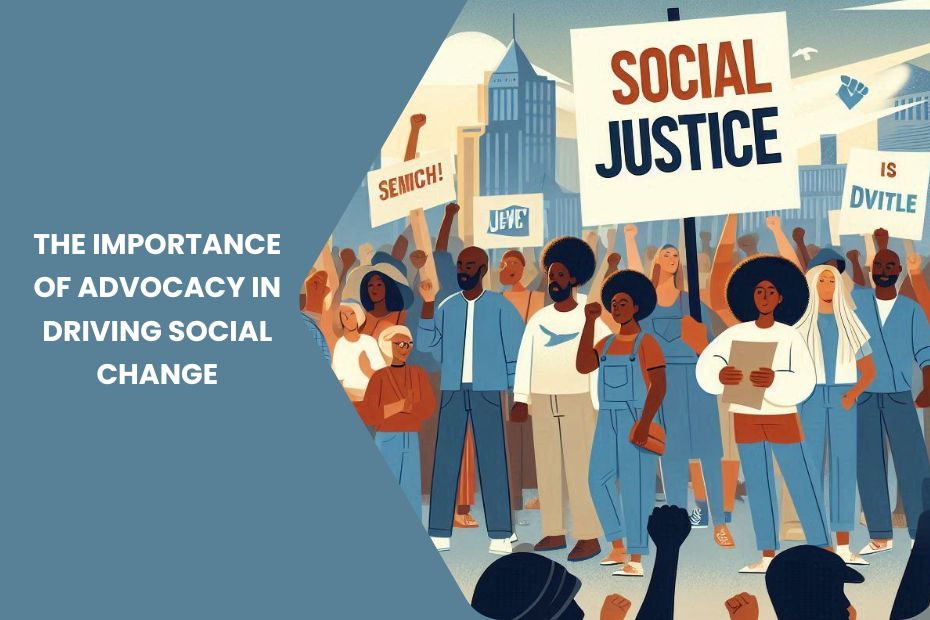
    If you’ve ever looked at the world and felt that something needed to change, you’ve already taken the first step toward advocacy. You’re not alone in wanting a better future, and the truth is—change doesn’t just happen. It requires people like you to push, speak up, organize, and sometimes even fight for it. Advocacy gives that desire a direction. It’s how everyday people influence policies, shift public opinion, and get results that shape society. In this article, you’ll get a clear look at how advocacy works, why it matters, and how you can be part of driving real, measurable social change.

    What Advocacy Really Means in Practice

    Advocacy is the act of supporting or recommending causes that aim to fix social problems. It’s not limited to political movements or legal reforms. It happens on local levels, in schools, online, and even in conversations with neighbors. You don’t need a degree or a big following to be an advocate—you need a voice and the willingness to use it.

    When you advocate, you’re influencing others—whether it’s lawmakers, community leaders, or the general public—to pay attention to issues that need fixing. That could mean anything from campaigning to improve housing policy in your city to sharing resources about mental health awareness. The goals vary, but the core is the same: you’re trying to create positive change that goes beyond your own life.

    Why Advocacy Protects Rights and People

    One of the strongest forces behind human rights progress has always been advocacy. It’s been central to every major civil rights win—voting access, fair labor laws, education access, disability rights, and many more. When you push for change, you help protect people who might otherwise be ignored or mistreated.

    Think of how essential advocacy has been for protecting vulnerable communities. Without it, many laws that now seem obvious—laws that promote safety, fairness, or equal opportunity—would never exist. You’re part of that process when you speak out or stand up against injustice.

    It doesn’t have to be loud or public. Sometimes it’s as simple as writing a letter to your local representative, helping someone navigate a legal issue, or participating in a peaceful protest. Those actions, when repeated across communities, build momentum that becomes difficult to ignore.

    How Advocacy Impacts Policy and Legislation

    Policies don’t come out of nowhere. They’re often the result of long-term pressure from groups and individuals who refuse to stay silent. If you’ve ever wondered why certain laws change while others stay the same for decades, advocacy usually plays a role in that shift.

    Public officials listen to voices that are consistent and organized. You might not have the power to vote on legislation directly, but you can influence the people who do. When you join forces with others—whether through nonprofit organizations, coalitions, or even grassroots groups—you can amplify your message and bring new urgency to social issues.

    Petitions, meetings with legislators, public awareness campaigns, and testimonies during hearings are all advocacy tools that can change the direction of public policy. If you want to influence systems, this is where it happens.

    Raising Awareness Changes Conversations

    You can’t fix what people don’t understand. Advocacy is often the first step in getting people to even recognize that a problem exists. By raising awareness—through social media, community outreach, storytelling, or public speaking—you help bring hidden issues into the light.

    And awareness doesn’t just mean sharing shocking facts. It’s about telling real stories, showing the human side of an issue, and building empathy. When people see how a problem affects someone personally, they’re more likely to care and take action.

    You’ve probably seen awareness campaigns in action—mental health awareness months, anti-bullying programs, hunger relief drives. All of these efforts are based on one goal: making sure the problem is visible enough that people feel compelled to respond.

    Why Community Engagement Matters So Much

    No one creates change alone. Community engagement is what makes advocacy sustainable. When you bring people together to work on a shared issue, you’re building strength that multiplies over time.

    You might organize a local cleanup, help coordinate a food distribution network, or host public forums to discuss neighborhood concerns. These aren’t just events—they’re tools for building trust, learning from others, and growing support.

    Advocacy rooted in community tends to last longer and make a bigger impact. It creates leaders, builds local credibility, and gives people the chance to contribute in their own way. Plus, when people feel heard and involved, they become more invested in long-term solutions.

    Real-World Advocacy That Changed the Game

    If you want proof that advocacy works, you only need to look at history—and current events. Consider the Green Belt Movement, started in Kenya by Wangari Maathai. It began with planting trees and grew into a national effort to fight deforestation, empower women, and promote democracy. One voice led to millions of trees and global environmental policy attention.

    Another example is Marian Wright Edelman, founder of the Children’s Defense Fund. Her work has shaped child welfare policy in the U.S. for decades, helping to ensure children have better access to healthcare, education, and protection.

    And then there’s Hindou Oumarou Ibrahim, an activist from Chad who’s brought the voices of indigenous communities to the global stage, especially on climate change. Her advocacy connects real-world experience to policy discussions at the United Nations.

    These stories show that advocacy isn’t limited by geography, age, or resources. What matters is consistency, clarity, and commitment to the cause.

    How to Be an Effective Advocate

    If you’re ready to step into advocacy, start by choosing a cause that matters to you personally. That emotional connection will fuel your motivation. Then, look into the facts. Learn who is already working on the issue, what’s being done, and where there are gaps.

    Build a message that’s simple and strong. Whether you’re talking to friends, organizing a campaign, or meeting with decision-makers, clarity makes people listen. If you’re not sure how to start, you can volunteer, attend advocacy training, or join a group already making progress.

    And remember: your role doesn’t have to be public. Writers, researchers, event planners, digital strategists—all of these roles support advocacy efforts behind the scenes. Find your strength and use it.

    Key Ways Advocacy Drives Change

    • Influences public policy through organized action
    • Raises awareness to bring visibility to social issues
    • Protects rights by confronting injustice
    • Encourages community collaboration and engagement
    • Builds momentum for long-term solutions

    In Conclusion

    Advocacy is one of the most powerful ways you can create meaningful change in the world. Whether you’re working to shift public opinion, influence policy, or simply raise awareness, your actions can spark movements that reach far beyond your immediate circle. You don’t need to be famous, rich, or politically connected. You need purpose, persistence, and a willingness to get involved. Change starts when someone decides that silence is no longer an option—and that someone can be you.

    Want more insights on advocacy, leadership, and social impact?Visit my Substack for deeper dives, stories, and strategies on driving change that matters.

  • How to Balance Academic Pursuits with Community Engagement

    How to Balance Academic Pursuits with Community Engagement

    Balancing academics with community engagement has been one of the most common challenges I’ve seen among students. They come in with the best intentions, wanting to excel in their studies while making a meaningful impact in their communities. But before long, they’re drowning in assignments, missing service commitments, and wondering how they ended up in this mess. I’ve been there too, juggling deadlines with volunteer work, trying to keep up with both while still getting enough sleep. What I’ve learned is that success in both areas isn’t about doing everything—it’s about doing the right things in a way that is sustainable. Managing time effectively, choosing service opportunities that align with academic goals, and setting realistic expectations are all key to making it work. When done right, engaging in community work doesn’t compete with academic responsibilities—it enhances them.

    Prioritizing and Planning Ahead

    I’ve seen too many students approach balancing academics and community service the same way they approach studying for exams—waiting until the last minute and hoping for the best. That never works. The only way to keep everything in check is by planning ahead. I always recommend setting up a structured schedule that includes both study sessions and volunteer commitments. If it’s not on the calendar, it’s not happening.

    Digital tools make this process much easier. I rely on Google Calendar to block out time for studying, attending classes, and participating in service projects. I also suggest using Trello or Notion to keep track of assignments and upcoming volunteer events. It’s easy to think there’s time for everything until you see it laid out visually. Prioritizing tasks based on urgency and importance ensures that academics remain the top focus, while community work fits in naturally without causing unnecessary stress.

    Integrating Service with Academic Learning

    One of the biggest mistakes I see students make is treating service as something separate from their coursework. When community engagement aligns with academic goals, everything becomes more manageable. I’ve always encouraged students to seek out service-learning opportunities that complement their studies. This makes balancing both responsibilities easier and deepens their understanding of what they’re learning.

    For example, a student in a business program who volunteers to help a nonprofit with marketing strategies isn’t just helping the community—they’re gaining real-world experience that applies directly to their coursework. A biology student working on a public health campaign gets hands-on exposure to the topics they study in class. When service becomes an extension of learning, it stops feeling like a competing responsibility and starts feeling like an investment in personal and academic growth.

    Setting Realistic Goals and Avoiding Burnout

    I’ve seen so many students overcommit to service projects, thinking they can handle it all. Then, within a few months, they’re exhausted, their grades are slipping, and they feel guilty for not giving enough to the causes they care about. The reality is that trying to do too much at once benefits no one.

    Instead, I recommend setting clear, realistic goals. Volunteering five hours a week may seem manageable, but when midterms hit, that might not be the case. Rather than saying yes to every opportunity, students should focus on a few key commitments that align with their personal and academic goals. Consistency matters more than volume. A student who dedicates two hours a week to a cause over an entire semester will have a greater impact than one who volunteers extensively for a month and then disappears due to burnout.

    Communicating with Professors and Community Leaders

    One of the most underrated strategies for balancing academics and service work is open communication. Professors and community leaders are often more flexible than students realize—but only if they know what’s going on. I always advise students to be upfront about their commitments.

    If a service project conflicts with a class deadline, talking to a professor in advance might lead to an adjusted schedule. Similarly, community organizers appreciate knowing a student’s availability so they can assign tasks accordingly. When students fail to communicate, they risk stretching themselves too thin and disappointing both their professors and the people they’re trying to help. Keeping an open dialogue prevents misunderstandings and ensures that commitments are manageable.

    Using Campus Resources for Support

    I always remind students that they don’t have to figure everything out on their own. Most universities offer resources that can make balancing academics and service work easier. Academic advisors can help with course scheduling, tutoring centers provide support for challenging subjects, and service-learning offices connect students with structured volunteer programs that fit their schedules.

    One of the best-kept secrets on many campuses is that some service programs are built into coursework. I encourage students to look for courses that incorporate service-learning, allowing them to earn credit for their community engagement. Not only does this lighten the academic load, but it also ensures that service efforts are recognized as a valuable part of their education.

    Regularly Reassessing Commitments

    Even with the best planning, things don’t always go as expected. Academic workloads shift, new opportunities arise, and personal priorities change. I always recommend checking in every few weeks to assess whether commitments are still manageable.

    If grades are slipping or stress levels are high, it might be time to scale back on service hours temporarily. On the other hand, if school is under control and there’s extra time, taking on a leadership role in a community project could be a great opportunity. The key is to stay flexible and adjust as needed. Being able to recognize when to step up or step back is a skill that applies well beyond college—it’s something that will help in any professional setting.

    Using Community Engagement as a Mental Reset

    I’ve found that community service can actually help relieve academic stress rather than add to it. When students are buried in research papers and exams, stepping away to volunteer for a few hours can be a refreshing break. It shifts focus from personal academic challenges to making a difference for others. That change in perspective is sometimes exactly what’s needed to reset and come back to studies with renewed energy.

    I always encourage students to find service opportunities that they genuinely enjoy. If a project feels like an obligation, it’s just another source of stress. But if it’s something meaningful—mentoring a child, working with animals, organizing a community event—it can provide a much-needed balance to academic pressures.

    Key Strategies to Balance Academics and Community Engagement

    • Plan ahead with a structured schedule for study and service.
    • Choose service opportunities that align with academic goals.
    • Set realistic expectations to prevent burnout.
    • Communicate openly with professors and community leaders.
    • Use campus resources for academic and extracurricular support.
    • Regularly reassess commitments and adjust as needed.
    • View service work as a mental reset, not a burden.

    In Conclusion

    Balancing academics with community engagement isn’t about trying to do everything—it’s about making intentional choices that enhance both learning and service. I’ve seen students thrive when they integrate service into their studies rather than treating it as a separate obligation. The right approach ensures that community involvement doesn’t compete with academic success but instead strengthens it. College is about more than just earning a degree; it’s about becoming a well-rounded person ready to contribute to society. Finding that balance takes effort, but when done right, it makes all the difference.

    For insights on balancing academics and community engagement effectively, visit strikingly profile for expert strategies and practical tips.

  • The Benefits of Service-Learning Programs in Higher Education

    The Benefits of Service-Learning Programs in Higher Education

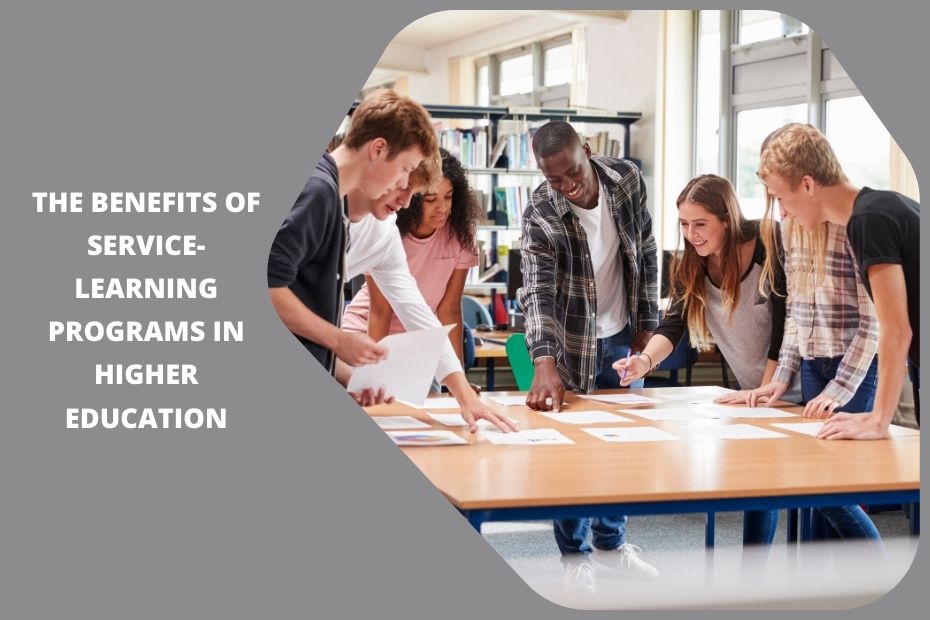
    Service-learning programs have changed the way I think about education. College isn’t just about reading textbooks and passing exams—it’s about applying knowledge in ways that actually make a difference. When students engage in service-learning, they take what they learn in class and use it to solve real-world problems. I’ve seen firsthand how these programs help students develop skills, build professional connections, and gain a deeper sense of civic responsibility. More than just an academic requirement, service-learning teaches students how to think critically, work collaboratively, and understand diverse perspectives. Higher education should prepare students for the complexities of the real world, and service-learning does exactly that.

    Applying Knowledge in Real-World Situations

    One of the most valuable aspects of service-learning is how it connects classroom learning to real-life experiences. I’ve had students tell me that they understood a concept much better after seeing it in action. For example, a student studying public health might learn about disease prevention in class, but it only truly clicks when they help organize a vaccination drive in their community. This hands-on learning approach reinforces what students study in textbooks and shows them how their knowledge can be used to address real challenges.

    I’ve seen service-learning transform students who once felt disengaged in their coursework. When learning has a direct purpose and a tangible impact, students naturally become more invested. It’s not just about passing a test—it’s about seeing the results of their efforts in the communities they serve. That kind of motivation is hard to replicate in a traditional classroom setting, and it’s why service-learning is such a powerful educational tool.

    Developing Critical Thinking and Problem-Solving Skills

    Service-learning doesn’t come with a scripted set of answers. Unlike a test where students choose from multiple-choice options, real-world problems require creative solutions. I’ve worked with students who started service projects expecting to follow a clear plan, only to realize that flexibility and adaptability were just as important as their academic knowledge.

    When students step into a real-world setting, they quickly learn that problems are rarely straightforward. Maybe a literacy program they designed for elementary school students doesn’t work as expected, or a food distribution initiative faces unexpected logistical challenges. They have to think critically, make adjustments, and come up with alternative solutions. This kind of problem-solving experience is something that employers value highly—because no matter the field, the ability to navigate challenges is what separates a good worker from a great one.

    Building Civic Responsibility and Social Awareness

    Service-learning teaches students that education isn’t just about personal advancement—it’s about contributing to the world in meaningful ways. Many students enter college with little exposure to social issues beyond what they see on the news. But when they work directly with communities facing housing insecurity, food shortages, or educational gaps, their understanding deepens in a way that lectures simply can’t replicate.

    I’ve seen students develop a lasting commitment to civic engagement because of their service-learning experiences. Some who originally pursued degrees with no intention of community work have shifted their focus to public service careers. Others have taken the lessons they learned in service projects and used them to shape company policies or start nonprofit initiatives. These programs don’t just change students—they change the way they see their role in society.

    Improving Leadership and Communication Skills

    Service-learning provides students with leadership opportunities that they might not get in a classroom setting. In these projects, students often take on responsibilities that require them to manage volunteers, communicate with organizations, and lead initiatives. I’ve seen students who were once hesitant to speak up in group discussions gain confidence as they take charge of real projects.

    Effective communication is another skill that naturally develops through service-learning. Students learn how to engage with diverse groups, from young children to community leaders. They have to adapt their messaging, organize efforts, and sometimes mediate conflicts—all while working toward a common goal. These experiences prepare them for the workplace, where leadership and collaboration are essential skills for success.

    Expanding Cultural Awareness and Empathy

    One of the most transformative aspects of service-learning is its ability to expose students to different perspectives. Many students come from backgrounds where they’ve only interacted with people similar to themselves. When they work with communities that have different cultural traditions, economic challenges, or social dynamics, they develop a much broader worldview.

    I’ve had students tell me that service-learning experiences changed the way they view issues like poverty, immigration, and racial inequality. When they work directly with people affected by these issues, they develop empathy and a deeper understanding of systemic challenges. This cultural awareness is invaluable in today’s globalized workforce, where working with diverse populations is becoming the norm.

    Opening Doors to Career Opportunities

    Service-learning doesn’t just benefit students academically—it also provides networking opportunities and career advantages. I’ve seen students land internships and job offers directly through their service-learning experiences. Whether they’re working with nonprofit organizations, local businesses, or government agencies, they build connections with professionals in their field.

    Employers recognize service-learning as a sign that a student is proactive, adaptable, and experienced in real-world problem-solving. A resume with service-learning experience stands out because it shows that a candidate has practical skills beyond theoretical knowledge. It’s one thing to talk about leadership or problem-solving in an interview—it’s another thing to have real examples of those skills in action.

    Strengthening University-Community Partnerships

    Service-learning doesn’t just benefit students—it also strengthens relationships between universities and their surrounding communities. I’ve worked with faculty who have built long-term partnerships with local organizations, creating opportunities for students to engage in ongoing projects. These collaborations provide universities with a direct way to contribute to social change while giving students meaningful learning experiences.

    When universities prioritize service-learning, they become more than just academic institutions—they become community hubs that support development and innovation. These partnerships don’t just improve education; they create a lasting impact that benefits both students and the communities they serve.

    Key Benefits of Service-Learning Programs

    • Applies academic learning to real-world situations
    • Develops critical thinking and problem-solving skills
    • Encourages civic responsibility and social awareness
    • Enhances leadership, teamwork, and communication skills
    • Expands cultural competency and empathy
    • Provides networking opportunities and career advantages
    • Strengthens university-community partnerships

    In Conclusion

    Service-learning is one of the most valuable experiences a student can have in college. I’ve seen it transform students from passive learners into active problem-solvers and engaged citizens. It gives them the tools they need to navigate real-world challenges, build meaningful careers, and contribute to their communities. Higher education isn’t just about gaining knowledge—it’s about learning how to use that knowledge to make a difference. Service-learning does exactly that, and that’s why it’s become an essential part of modern university education.

    For insights on education, career development, and impactful learning experiences, follow me on my blog for expert perspectives on making the most of your academic and professional journey.

  • How to Effectively Volunteer Your Skills for Non-Profits

    How to Effectively Volunteer Your Skills for Non-Profits

    Over the years, I’ve worked with countless non-profits that struggle to find skilled professionals willing to volunteer their expertise. Many organizations operate on tight budgets and lack the resources to hire specialists, making skilled volunteers an invaluable asset. Whether it’s marketing, financial planning, IT support, or project management, offering professional skills can be just as impactful as donating money. But not all volunteer experiences are effective—some professionals dive in without clear expectations, while others underestimate the time commitment. The key to making a meaningful impact is finding the right organization, setting clear boundaries, and ensuring that your contributions provide long-term value.

    Choosing the Right Skills to Offer

    One of the biggest mistakes professionals make when volunteering is offering skills they think a non-profit needs, rather than identifying what will actually be useful. I’ve seen organizations get excited about a social media expert offering free services, only to realize they lack the capacity to maintain their online presence after the volunteer leaves. The most effective volunteers match their skills with the organization’s long-term ability to sustain the work.

    It helps to start by identifying core strengths. Whether it’s writing grant proposals, improving financial systems, or streamlining operations, focusing on what you do best ensures you provide maximum value. I always recommend speaking with the non-profit’s leadership before committing, to understand their true needs and whether your expertise aligns with their goals.

    Finding the Right Non-Profit to Work With

    Not all non-profits are a good fit, and that’s something professionals need to recognize before committing. Some organizations have structured volunteer programs, while others operate informally, making it difficult to integrate volunteers effectively. I’ve seen skilled professionals step into chaotic situations where their time was wasted due to a lack of direction. That’s why researching organizations before reaching out is essential.

    Platforms like Catchafire and VolunteerMatch make it easier to connect with non-profits seeking specific skills. Many organizations also list their needs on LinkedIn, and I’ve had success simply by reaching out directly to non-profits I admire. The key is to look for organizations that are open to collaboration and have a clear plan for using skilled volunteers.

    Setting Expectations Upfront

    One of the biggest frustrations I’ve heard from both non-profits and volunteers is mismatched expectations. Some organizations expect volunteers to be available at all times, while some professionals commit without fully understanding the scope of work. That’s why setting clear expectations before starting is critical.

    Whenever I take on a volunteer project, I make sure to define the timeline, deliverables, and communication frequency upfront. If an organization is vague about what they need, I help them break it down into smaller, manageable tasks. Whether it’s a one-time project or an ongoing commitment, having a written agreement or at least a structured plan prevents misunderstandings and ensures both sides benefit from the arrangement.

    Focusing on Sustainable Contributions

    Short-term volunteer work can be useful, but I’ve found that the most valuable contributions come from projects that create lasting impact. It’s easy to build a website for a non-profit, but if they don’t know how to update it, they’ll be back to square one in a few months. The same goes for financial systems, marketing strategies, or IT solutions—if an organization can’t maintain them after a volunteer leaves, the effort is wasted.

    That’s why I always focus on sustainability. Rather than just delivering a final product, I train staff on how to use it, document processes, and ensure they have the tools to continue the work on their own. I’ve seen organizations thrive because a volunteer didn’t just offer services but also empowered the team to carry the work forward.

    Balancing Volunteering with Professional Responsibilities

    Many professionals hesitate to volunteer their skills because they worry about the time commitment. It’s a valid concern—juggling work, personal obligations, and volunteer efforts can be challenging. I’ve found that setting realistic boundaries and structuring commitments in a way that fits into my schedule makes it much more manageable.

    Some professionals prefer to take on short-term projects, such as helping with a fundraising campaign or restructuring an accounting system. Others find it easier to provide ongoing support in small increments, such as advising a non-profit for an hour each month. The key is to choose a format that works, so volunteering remains fulfilling rather than overwhelming.

    Leveraging Volunteering for Career Growth

    What many professionals don’t realize is that volunteering can be a career booster. I’ve worked with people who used volunteer experience to transition into new industries, develop leadership skills, or expand their professional network. Some non-profits have high-profile board members or corporate partners, making volunteer work a great way to connect with influential people in a field.

    I’ve seen professionals land job opportunities simply because they demonstrated their expertise through volunteer work. When volunteering, it’s important to approach projects with the same level of professionalism as paid work. Whether it’s a simple marketing campaign or a complex financial audit, treating it seriously benefits the non-profit and enhances a professional’s reputation.

    Staying Engaged for Long-Term Impact

    Many volunteers start strong but lose interest over time, often because they don’t see the immediate impact of their work. One way I’ve stayed engaged is by checking in with organizations periodically to see how they’re using the tools or strategies I’ve helped develop. Offering occasional follow-up support or attending events keeps the connection alive and ensures that the work remains relevant.

    Some professionals transition from volunteer roles into advisory positions, serving on non-profit boards or mentoring staff members. This allows them to continue making an impact without a heavy time commitment. Staying engaged doesn’t mean working for free indefinitely—it means maintaining a relationship that benefits both the volunteer and the non-profit in the long run.

    Key Steps to Effectively Volunteer Your Skills for Non-Profits

    • Choose a skill that aligns with a non-profit’s needs.
    • Research organizations using platforms like Catchafire.
    • Set clear expectations for time and responsibilities.
    • Focus on sustainable solutions that staff can maintain.
    • Balance volunteering with professional obligations.
    • Use volunteering to expand career opportunities.
    • Stay engaged through follow-ups and advisory roles.

    In Conclusion

    Skill-based volunteering is one of the most effective ways to support non-profits while also gaining valuable professional experience. The key to making an impact isn’t just donating time—it’s ensuring that contributions provide lasting value. Whether it’s structuring financial systems, building a marketing strategy, or mentoring staff, skilled volunteers can strengthen organizations in ways that go far beyond short-term assistance. Those who approach volunteering with a strategic mindset help non-profits thrive and build stronger professional connections and career opportunities in the process.

    Skill-based volunteering strengthens non-profits and enhances careers. Learn how to make a lasting impact on WordPress.

  • The Role of Corporate Social Responsibility in Today’s Business World

    The Role of Corporate Social Responsibility in Today’s Business World

    The Role of Corporate Social Responsibility in Today’s Business World

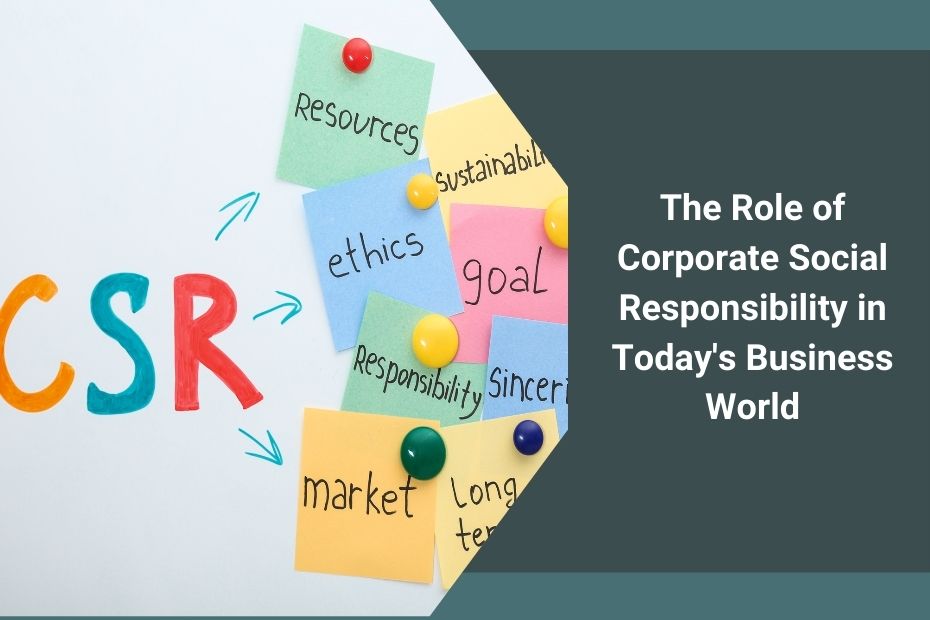
    Corporate Social Responsibility (CSR) is no longer just a “nice-to-have” feature for businesses. It’s an integral part of how companies operate, impacting their reputation, financial performance, and relationship with stakeholders. CSR reflects a company’s commitment to conducting business ethically, contributing to community well-being, and reducing its environmental footprint. As someone who has worked closely with organizations prioritizing CSR, I’ve seen how these initiatives can drive meaningful change while creating business value. Let’s delve into how CSR plays a pivotal role in today’s business landscape and why it’s essential for long-term success.

    Strengthening Brand Reputation

    A strong CSR program can significantly enhance a company’s brand reputation. Consumers are more informed than ever and actively seek to support businesses that align with their values. Companies that demonstrate a genuine commitment to social and environmental causes often enjoy higher customer loyalty and trust.

    For instance, when businesses take meaningful steps to reduce plastic waste, support local communities, or invest in renewable energy, they make a positive impact and build a loyal customer base. Research consistently shows that consumers are willing to pay more for products and services from socially responsible companies. This connection between CSR and brand reputation highlights its importance in today’s competitive market.

    Attracting and Retaining Top Talent

    CSR also plays a critical role in attracting and retaining employees. People want to work for companies that align with their personal values and contribute positively to society. A strong CSR program can provide employees with a sense of purpose, making them feel that their work contributes to something bigger than profits.

    Many organizations now incorporate CSR activities into their workplace culture, such as volunteering opportunities, sustainability initiatives, or donation matching programs. These efforts create a more engaged workforce, leading to higher job satisfaction and retention rates. Employees who feel their values align with their company’s mission are more likely to stay committed and perform better in their roles.

    Driving Innovation and Competitive Advantage

    CSR is not just about giving back—it’s also a driver of innovation. When companies prioritize sustainability or social impact, they often develop creative solutions to address these challenges. This can lead to the creation of new products, services, or business models that set them apart from competitors.

    Take, for example, the push toward sustainable packaging in the consumer goods industry. Businesses that invested in biodegradable or reusable packaging reduced waste and gained a competitive edge by appealing to environmentally conscious consumers. CSR-driven innovation benefits society and helps businesses stay relevant in an ever-changing market.

    Managing Risks and Ensuring Compliance

    Adopting CSR practices is a proactive way for businesses to manage risks and stay compliant with regulations. Ethical business practices reduce the likelihood of scandals or legal issues that could harm a company’s reputation and financial standing.

    For instance, implementing fair labor policies and ensuring supply chain transparency can prevent exploitation and build trust with stakeholders. Additionally, by adopting environmentally responsible practices, companies can avoid penalties related to environmental regulations. CSR acts as a safeguard, helping businesses navigate potential challenges while maintaining their integrity.

    Improving Financial Performance

    There’s a growing body of evidence that shows companies with robust CSR programs tend to perform better financially. Investors increasingly evaluate businesses based on their environmental, social, and governance (ESG) criteria, recognizing that companies prioritizing sustainability and ethical practices are better positioned for long-term success.

    When businesses invest in CSR, they often see benefits such as reduced operational costs, increased efficiency, and access to new markets. For example, companies that adopt energy-efficient technologies save money on utilities while reducing their environmental impact. CSR doesn’t just align with ethical responsibilities—it also aligns with sound financial strategies.

    Enhancing Community Engagement

    One of the most rewarding aspects of CSR is the positive impact it has on local communities. Whether it’s funding educational programs, supporting healthcare initiatives, or improving infrastructure, CSR enables businesses to give back and create meaningful change.

    Engaging with communities strengthens relationships and fosters goodwill and trust. A business that actively supports its local community becomes an integral part of it, benefiting both parties. For example, businesses that partner with schools to provide scholarships or mentorship programs often build a pipeline of future talent while making a lasting difference.

    Prioritizing Environmental Sustainability

    Sustainability has become a cornerstone of many CSR strategies. Businesses are recognizing the need to minimize their environmental footprint and contribute to global efforts against climate change. Whether it’s reducing greenhouse gas emissions, cutting down on waste, or conserving resources, these actions demonstrate a commitment to environmental stewardship.

    Large corporations, such as IKEA and Patagonia, have made sustainability central to their operations, earning the respect and loyalty of customers worldwide. Smaller businesses are also taking steps, such as switching to renewable energy or adopting sustainable sourcing practices. These efforts benefit the planet and resonate with consumers and stakeholders who value environmental responsibility.

    Measuring CSR Impact

    For CSR to be effective, it must be measurable. Businesses that set clear goals, track their progress, and share their results with stakeholders build transparency and credibility. Metrics such as community impact, employee engagement, and carbon footprint reduction provide tangible evidence of a company’s commitment to its CSR initiatives.

    Many organizations publish annual CSR or sustainability reports, detailing their achievements and areas for improvement. These reports demonstrate accountability and inspire confidence among investors, employees, and customers. Measuring impact ensures that CSR remains more than just a marketing strategy—it becomes a core part of a company’s identity.

    Key Benefits of Corporate Social Responsibility

    • Strengthens brand reputation: Builds customer trust and loyalty.
    • Attracts and retains talent: Aligns with employees’ values.
    • Drives innovation: Encourages creative solutions to societal challenges.
    • Manages risks: Reduces legal and reputational threats.
    • Improves financial performance: Enhances efficiency and attracts investors.
    • Engages communities: Supports local projects and initiatives.
    • Promotes sustainability: Reduces environmental impact and conserves resources.

    In Conclusion

    Corporate Social Responsibility is no longer optional in today’s business world—it’s essential. By prioritizing ethical practices, sustainability, and community engagement, businesses contribute positively to society and position themselves for long-term success. CSR builds trust, drives innovation, and enhances financial performance, creating value for all stakeholders. Companies that embrace CSR as a core principle demonstrate that success is not just measured in profits but in the positive impact they make on the world.

  • How to Create a Fundraising Campaign for a Cause You Care About

    How to Create a Fundraising Campaign for a Cause You Care About

    Starting a fundraising campaign for a cause you deeply care about is one of the most meaningful ways to create an impact. Whether it’s raising funds for disaster relief, community projects, or supporting a nonprofit organization, a well-executed campaign can mobilize people, raise awareness, and make tangible changes. With the right strategy and tools, you can craft a campaign that meets its financial goals and resonates with supporters and inspires action.

    Define Your Cause and Objectives

    Every successful fundraising campaign begins with clarity. Start by identifying the cause you want to support and articulating why it matters. Be specific about the problem you’re addressing and the change you want to see. For instance, instead of saying “support education,” focus on something measurable, like “raise $10,000 to buy laptops for 50 underserved students.”

    Setting clear objectives helps you stay focused and gives your campaign a defined purpose. It also makes it easier for potential donors to understand exactly how their contributions will be used. When people see the tangible outcomes of their donations, they’re more likely to contribute.

    Craft a Compelling Story

    Storytelling is the heart of any impactful campaign. A compelling story connects people emotionally to your cause and motivates them to take action. Start by explaining the challenge your cause addresses, who it impacts, and why it’s urgent. Highlight specific individuals or communities that will benefit from the campaign to make it personal and relatable.

    Visuals can amplify your story. Use photos, videos, or graphics to illustrate the need and show the difference your campaign can make. For instance, a short video of students benefiting from donated supplies or a personal message from someone whose life has been impacted by your cause can be incredibly powerful.

    Identify Your Target Audience

    Knowing your audience is essential for creating a successful campaign. Think about who is most likely to support your cause. Are they local community members, professionals in a specific industry, or people passionate about social justice?

    Tailor your message to resonate with this audience. For example, if your campaign is about environmental conservation, emphasize the shared values of sustainability and protecting the planet. Understanding your audience helps you communicate effectively and engage the right people.

    Choose the Right Fundraising Platform

    Selecting the right platform can make or break your campaign. Platforms like GoFundMe, FundRazr, and Kickstarter are popular choices for raising money online, each with features designed to streamline the fundraising process.

    Consider factors like fees, ease of use, and platform reach when making your decision. Some platforms specialize in niche causes—like DonorsChoose for education—so research which one aligns best with your goals. A platform that provides tools to track progress, thank donors, and share updates can make managing your campaign much easier.

    Develop a Marketing Strategy

    No matter how worthy your cause is, people need to know about it. A solid marketing strategy is key to spreading the word and driving donations. Start by leveraging social media platforms like Instagram, Twitter, Facebook, and LinkedIn. Use engaging posts, stories, and reels to share updates, milestones, and testimonials.

    Email newsletters are another effective way to keep supporters informed and involved. A well-crafted email campaign can introduce your cause, provide updates, and remind people of upcoming deadlines or matching donation opportunities. Consider reaching out to local media outlets or bloggers who might be interested in covering your campaign. The more channels you use, the broader your reach will be.

    Engage with Your Supporters

    Engagement is the backbone of a successful campaign. People are more likely to donate—and keep donating—when they feel connected to the cause. Interact with your supporters regularly. Respond to their questions and comments, thank them publicly for their contributions, and share updates on how their support is making a difference.

    Hosting virtual or in-person events can also build momentum. Whether it’s a webinar explaining the campaign’s goals or a community gathering to celebrate milestones, these events foster a sense of community and belonging among supporters.

    Monitor and Adjust Your Campaign

    Successful fundraising campaigns are rarely static. Regularly monitor your campaign’s performance to see what’s working and where you can improve. Keep an eye on metrics like donation amounts, engagement rates, and website traffic. If you notice that certain social media posts are performing better, adjust your strategy to replicate that success.

    Flexibility is key. If your campaign isn’t gaining traction, consider refining your message, adding new visuals, or shifting focus to different platforms. Staying proactive allows you to make real-time improvements and keep your campaign on track.

    Express Gratitude and Share Outcomes

    Once your campaign reaches its conclusion, thanking your supporters is non-negotiable. Whether it’s a personalized email, a public shoutout on social media, or a handwritten note, showing gratitude goes a long way in building lasting relationships with donors.

    Sharing the outcomes of your campaign is just as important. Let your supporters know how their contributions made a difference. If you raised money to build a school, share photos of the completed structure or testimonials from students. Transparency fosters trust and ensures your donors feel their support was meaningful and impactful.

    Key Steps to Create a Successful Fundraising Campaign

    • Set clear goals: Define your cause and target amount.
    • Craft a compelling story: Share the impact of your cause.
    • Choose the right platform: Use a platform that fits your needs.
    • Engage supporters: Interact and build connections.
    • Promote effectively: Leverage social media and outreach.

    In Conclusion

    Creating a fundraising campaign for a cause you care about is an opportunity to make a real difference. By defining your goals, crafting a compelling story, and engaging with your audience, you can build a campaign that raises funds and inspires action and creates a lasting impact. The process may require effort and creativity, but the rewards—for both your cause and your community—are immeasurable. Start today, and turn your passion into meaningful change.

  • The Impact of Philanthropy on Community Development

    The Impact of Philanthropy on Community Development

    Philanthropy has the power to transform communities by addressing some of the most pressing social, economic, and environmental challenges. It is not just about giving money; it’s about creating opportunities, fostering inclusivity, and building sustainable solutions that improve the lives of community members. Over the years, I’ve seen how strategic philanthropic efforts can provide the foundation for meaningful and long-lasting change. Let’s explore the profound role philanthropy plays in community development and how it drives progress.

    Understanding Philanthropy in Community Development

    At its core, philanthropy is about giving—whether it’s time, money, or resources—to benefit others. In the context of community development, this act of giving is focused on improving social services, education, healthcare, infrastructure, and economic opportunities. The ultimate goal is to address the root causes of community challenges rather than simply treating the symptoms.

    Philanthropy empowers communities to overcome barriers that might otherwise hold them back. It provides the funding and resources necessary to support initiatives like building schools in underserved areas, providing access to affordable healthcare, and creating economic opportunities for marginalized groups. The impact goes beyond the immediate recipients; it uplifts entire communities, fostering hope and resilience.

    Forms of Philanthropic Engagement

    Philanthropy takes many forms, each with its own unique contribution to community development. Financial donations are the most common, funding projects such as housing initiatives, scholarships, or job training programs. These contributions often provide the foundation for large-scale, impactful projects.

    Another important form of philanthropy is volunteering. Offering time and skills to support community initiatives is invaluable, especially when resources are limited. In-kind donations, such as providing equipment, supplies, or professional expertise, also play a significant role. Finally, advocacy efforts help promote policies and initiatives that drive long-term development. When philanthropy combines these approaches, it amplifies its impact and ensures that resources reach those who need them most.

    Strategic Philanthropy: Creating Sustainable Change

    Strategic philanthropy focuses on identifying areas of greatest need and directing resources to address systemic issues. Rather than treating philanthropy as charity, this approach views it as an investment in the future of communities. Every dollar is allocated purposefully, with clear goals and measurable outcomes.

    For example, investing in early childhood education programs does more than benefit individual children—it strengthens the community by fostering a generation of educated and empowered individuals. Strategic philanthropy ensures that the impact lasts beyond the initial donation, creating systems that promote sustainability and self-reliance within the community.

    Real-World Examples of Philanthropy in Action

    The transformative power of philanthropy can be seen in numerous real-world examples. One such case is the work of the Hamilton Community Foundation (HCF). Since 1954, HCF has distributed millions in grants to support sectors like education, health, and social services. Its long-term commitment to poverty reduction has provided resources and empowered low-income neighborhoods by engaging residents in leadership roles.

    Another inspiring example is the Partners for Rural Impact (PRI) initiative, which addresses gaps in educational programming in rural communities. Starting in Kentucky, PRI expanded its model to other states, demonstrating how targeted philanthropic efforts can make a difference in underserved areas. These examples show how philanthropy drives positive change by addressing systemic challenges and enabling local solutions.

    Challenges in Philanthropy and Community Development

    Despite its many benefits, philanthropy is not without challenges. One of the most significant issues is ensuring sustainability. While initial funding can kickstart projects, maintaining those initiatives often requires ongoing support or the ability for the community to self-manage them. Without careful planning, even well-intentioned efforts can falter once the funding ends.

    Another challenge is equity. Philanthropic efforts must be designed to reach marginalized and underserved populations. Without this focus, there’s a risk that the benefits of philanthropy may bypass those who need it most. Additionally, it’s essential to engage communities in decision-making processes. Local voices provide critical insights into what’s needed and ensure that initiatives align with the actual priorities of the community.

    Maximizing the Impact of Philanthropy

    To maximize the effectiveness of philanthropic efforts, it’s essential to focus on collaboration, capacity building, and accountability. Partnering with local organizations allows philanthropy to align with community needs and leverage existing knowledge and resources. This ensures that initiatives are both culturally relevant and impactful.

    Capacity building is another crucial element. By investing in the skills and leadership of community members, philanthropy can empower communities to manage projects independently. This reduces reliance on external support and promotes long-term sustainability. Finally, monitoring and evaluating projects allow for continuous improvement, ensuring that resources are used efficiently and goals are met.

    How Philanthropy Shapes Community Development

    Philanthropy shapes community development by addressing the gaps that public systems often cannot fill. It provides the flexibility to test innovative solutions, scale successful programs, and respond to urgent needs. Whether it’s funding a local food bank, advocating for social justice policies, or creating job opportunities, philanthropy plays a central role in driving meaningful change.

    The ripple effects of these efforts are profound. A single scholarship can uplift a family for generations, while a community healthcare center can improve the quality of life for thousands. Philanthropy is not just about giving—it’s about investing in the future and creating opportunities for all.

    Key Ways Philanthropy Impacts Community Development

    • Financial Support: Funds education, healthcare, and housing initiatives.
    • Volunteering: Provides time and skills to support local programs.
    • Advocacy Efforts: Promotes policies for long-term development.
    • In-Kind Contributions: Supplies resources like equipment and expertise.
    • Capacity Building: Empowers communities to sustain their own progress.

    In Conclusion

    Philanthropy is a powerful force for community development. By addressing systemic challenges, empowering local voices, and focusing on sustainability, it creates opportunities and drives progress. When done thoughtfully and strategically, philanthropy becomes more than just an act of generosity—it becomes a catalyst for lasting, meaningful change. Through continued efforts and collaboration, philanthropy will remain an essential pillar in building stronger, more resilient communities.

  • How to Start a Social Enterprise as a Student

    How to Start a Social Enterprise as a Student

    Starting a social enterprise as a student is an ambitious and fulfilling endeavor. It allows you to make a tangible difference while developing skills that will serve you for a lifetime. Over the years, I’ve worked with countless aspiring social entrepreneurs, and one thing is clear: your student years are the perfect time to start. You have access to resources, mentors, and a network of peers eager to support your journey. Here’s a step-by-step guide to help you navigate the process and turn your vision into reality.

    Define Your Social Mission

    Every successful social enterprise begins with a strong mission. This is the heart of your venture and the reason it exists. Think about the social or environmental issue you’re passionate about addressing. It could be reducing food waste, improving access to education, or promoting mental health awareness.

    The key is to focus on a specific problem and determine how your enterprise will provide a solution. For example, if you’re passionate about sustainability, your mission might involve creating affordable eco-friendly products or educating communities about waste reduction. A clear mission guides your decisions and helps you communicate your purpose effectively to stakeholders and potential supporters.

    Understand the Problem Through Market Research

    Before diving in, it’s essential to understand the issue you’re addressing. Conduct thorough market research to identify the root causes of the problem, the existing solutions, and the gaps your enterprise could fill. This step ensures that your approach is both effective and relevant.

    Engage directly with the people or communities affected by the issue. Surveys, interviews, and focus groups are excellent tools for gathering insights. For instance, if you’re working on improving educational access, speak with students, educators, and parents to understand their challenges and needs. This information will form the foundation of your strategy and ensure that your efforts are impactful.

    Develop a Solid Business Plan

    A business plan is your roadmap to success. It outlines your mission, goals, target audience, operational strategy, and revenue model. Many students overlook this step, but it’s critical for maintaining focus and securing funding.

    In your plan, detail how your enterprise will generate income to sustain its operations. Social enterprises typically use one of two models: a for-profit model that reinvests profits into the mission or a hybrid model combining grants and revenue from sales. Clearly define your unique value proposition—what sets your enterprise apart from others tackling the same issue.

    Choose the Right Legal Structure

    Selecting the appropriate legal structure is an important step in formalizing your enterprise. The structure you choose affects taxation, funding opportunities, and your organization’s overall flexibility. Options include:

    • Non-Profit Organization: Ideal for ventures relying on grants and donations.
    • Social Business or Cooperative: Suitable for enterprises balancing profit and impact.
    • Benefit Corporation (B-Corp): Allows for-profit ventures to pursue social missions while holding leadership accountable for their impact.

    Consult with a legal advisor or use university resources to determine the best structure for your goals.

    Secure Funding for Your Venture

    Funding is often a major hurdle for student entrepreneurs, but there are many avenues to explore. As a student, you have unique access to grants, scholarships, and competitions designed specifically for young innovators. Research opportunities like the Hult Prize, Enactus programs, or local business pitch competitions.

    Crowdfunding platforms like Kickstarter and GoFundMe can also be effective for raising initial capital while building awareness of your mission. Additionally, approach local businesses, alumni networks, and community organizations for support. Remember, a strong pitch and a well-prepared business plan can make all the difference when seeking funding.

    Build a Diverse and Committed Team

    A strong team is essential for any successful venture. Surround yourself with individuals who share your passion for the mission but bring different skills to the table. Look for team members with expertise in areas like marketing, finance, and operations to complement your own strengths.

    Your peers, professors, and university networks are excellent places to find potential collaborators. Clearly define roles and responsibilities to ensure that everyone is aligned and accountable. A motivated and diverse team boosts creativity and increases the resilience of your enterprise.

    Launch and Test Your Idea

    Launching doesn’t mean you have to go big right away. Start small by implementing a pilot project or testing your solution on a limited scale. This approach allows you to gather feedback, measure impact, and make necessary adjustments before expanding.

    For example, if your social enterprise involves selling eco-friendly products, start by targeting your university community. Use surveys or focus groups to collect feedback on your offerings. Document successes and challenges to refine your strategy and demonstrate your enterprise’s potential to future investors or partners.

    Measure Impact and Tell Your Story

    Social enterprises are defined by the impact they create. Establish metrics to measure your progress toward your mission. These metrics could include the number of people served, resources saved, or community outcomes achieved.

    Sharing your impact is just as important as creating it. Use storytelling to connect emotionally with your audience, whether through social media, blogs, or community events. Highlight the real-world difference your enterprise is making, and let your passion shine through.

    Expand and Sustain Your Enterprise

    Once your model has been validated and you’ve gained traction, it’s time to scale. Expansion might involve entering new markets, adding more services, or partnering with other organizations. Scaling doesn’t mean losing sight of your mission; it’s about amplifying your impact.

    Sustainability is another critical aspect. Ensure that your revenue model is robust enough to support growth while maintaining your commitment to the social mission. Continuously seek feedback from stakeholders and adapt to changing circumstances to keep your enterprise relevant and effective.

    Key Steps for Starting a Social Enterprise as a Student

    • Define a clear and compelling social mission.
    • Conduct market research to understand the problem and identify gaps.
    • Develop a detailed business plan with a revenue model.
    • Choose the right legal structure for your goals.
    • Secure funding through grants, competitions, and crowdfunding.
    • Build a diverse team with complementary skills.
    • Launch a pilot, measure impact, and scale responsibly.

    In Conclusion

    Starting a social enterprise as a student is a rewarding journey that blends passion, creativity, and entrepreneurship. By defining a clear mission, conducting thorough research, and leveraging the resources available to you, you can create meaningful change while gaining invaluable experience. Remember, it’s not about having all the answers right away—it’s about taking that first step and learning along the way. With determination and a clear vision, your social enterprise can make a lasting impact on the world.

  • Developing Leadership Skills: A Guide for Students

    Developing Leadership Skills: A Guide for Students

    Leadership is not an inherent trait—it’s a skillset that anyone can learn and refine. As a student, your journey toward becoming a strong leader starts with small steps and grows through practice, self-awareness, and intentional learning. Leadership isn’t just about guiding others; it’s about inspiring, collaborating, and solving problems effectively. Over the years, I’ve seen how students who actively develop their leadership skills become more confident, adaptable, and prepared for the challenges of life beyond the classroom. In this guide, I’ll share practical strategies for building leadership abilities that will serve you now and in the future.

    Understanding What Leadership Really Means

    Many people mistakenly equate leadership with authority, but true leadership is much broader. It’s about influence, responsibility, and guiding a group toward a shared goal. Leaders inspire others, foster teamwork, and make decisions that benefit the whole group. As a student, leadership can manifest in simple ways—organizing a study group, leading a class project, or coordinating events for a student club. The first step in becoming a leader is understanding that it’s not about holding a title but about taking initiative and creating positive change.

    Building Self-Confidence Through Action

    Confidence is a cornerstone of effective leadership. Without it, even the best ideas can go unheard. Confidence doesn’t mean knowing all the answers; it means trusting yourself to find them. One of the best ways to build confidence is by stepping outside your comfort zone. Volunteer to present during a group project, participate in a debate competition, or take the lead in organizing a campus event. Each experience will strengthen your belief in your capabilities, making it easier to take on larger leadership roles over time.

    Another key aspect of confidence is preparation. When you’re well-prepared, whether for a presentation or a meeting, you’ll feel more in control and capable. Practice builds confidence, and confidence builds leadership.

    Developing Effective Communication Skills

    Good communication is at the heart of leadership. Leaders must articulate their ideas clearly and inspire others to take action. Just as important is the ability to listen actively and understand others’ perspectives. To improve your communication skills, practice speaking in public, whether in class, at a club meeting, or even with friends. Take note of how you structure your thoughts, use body language, and engage your audience.

    Listening is equally important. A good leader doesn’t just tell people what to do—they listen to their team’s ideas and concerns. This builds trust and helps you make better decisions. Joining debate clubs or public speaking workshops can help you sharpen these skills while boosting your confidence.

    Mastering Teamwork and Collaboration

    Leadership and teamwork go hand in hand. Even the most talented leader relies on the strengths and input of their team to achieve success. As a student, you’ll encounter plenty of opportunities to practice teamwork—group assignments, sports teams, or community service projects are excellent starting points.

    To become a better collaborator, focus on understanding group dynamics. Recognize that every team member brings unique strengths and perspectives. Encourage open communication, assign roles based on individual skills, and ensure everyone feels valued. Good leaders foster a sense of inclusion and create an environment where everyone can contribute their best.

    Strengthening Problem-Solving Skills

    One of a leader’s primary responsibilities is solving problems. Whether it’s resolving conflicts among team members, finding creative solutions to challenges, or making tough decisions, problem-solving is a critical skill. To develop this ability, start by tackling challenges head-on instead of avoiding them. Analyze situations carefully, gather input from others, and weigh the pros and cons of different approaches.

    Engaging in activities that require strategic thinking—such as chess, puzzle-solving, or business simulations—can also enhance your problem-solving skills. These experiences teach you how to approach complex situations systematically and make informed decisions under pressure.

    Managing Time and Priorities

    Leaders often juggle multiple responsibilities, making time management an essential skill. As a student, you might already be balancing academics, extracurriculars, part-time jobs, and social commitments. Learning how to prioritize tasks and manage your time effectively will make you more productive and set an example for others.

    Start by using tools like planners, to-do lists, or digital apps to organize your day. Break larger tasks into smaller, manageable steps and set deadlines for each. Remember to allocate time for reflection and self-care—burnout can undermine even the best leaders. By demonstrating strong organizational skills, you’ll earn the respect of those you lead.

    Seeking Feedback and Embracing Growth

    No one is born a perfect leader, and even the most accomplished leaders continuously seek to improve. One of the best ways to grow is by seeking feedback from peers, mentors, and team members. Ask for honest input about your strengths and areas for improvement. This helps you identify blind spots and shows humility and a commitment to growth—qualities that inspire trust and respect.

    Reflecting on your experiences is equally important. After leading a project or event, take time to evaluate what went well and what could have been done better. Leadership is a journey of constant learning, and every experience is an opportunity to grow.

    Key Strategies for Developing Leadership Skills

    • Join student organizations for hands-on experience.
    • Volunteer for leadership roles in group projects or events.
    • Improve communication through public speaking and active listening.
    • Build teamwork skills by fostering collaboration.
    • Enhance problem-solving with critical thinking exercises.
    • Manage time effectively to balance responsibilities.
    • Seek feedback to embrace continuous growth.

    In Conclusion

    Developing leadership skills as a student is one of the most rewarding investments you can make in yourself. Leadership is about more than guiding others—it’s about building confidence, communicating effectively, fostering collaboration, solving problems, and managing responsibilities. By actively seeking opportunities to lead, embracing feedback, and committing to personal growth, you can lay the foundation for success in any field. Remember, leadership isn’t about perfection—it’s about progress. Start where you are, and let each step forward bring you closer to becoming the leader you aspire to be.

  • The Impact of Globalization on Career Opportunities

    The Impact of Globalization on Career Opportunities

    Globalization has fundamentally changed the way we approach careers, breaking down barriers and connecting economies worldwide. It’s no longer unusual for professionals to work across borders, collaborate with international teams, or offer services globally. As someone deeply invested in career development, I’ve seen firsthand how globalization creates opportunities, increases competition, and transforms skill requirements. In this article, we’ll explore how globalization shapes career opportunities and what you can do to thrive in this interconnected world.

    Career Opportunities Across Borders

    One of the most significant impacts of globalization is the expansion of career opportunities beyond local markets. Professionals today are no longer confined to job prospects within their home countries. Companies increasingly hire talent from around the world, offering remote roles or facilitating relocations for top candidates. For example, tech companies in the U.S. actively recruit software engineers from India, while European firms partner with professionals in South America for creative and digital services.

    This global access benefits professionals by exposing them to diverse industries and cultures, broadening their career prospects significantly. Whether you’re in a developed or developing country, globalization provides avenues to connect with global businesses and clients. However, this also requires professionals to build skills that appeal to international employers.

    Increased Competition for Jobs

    While globalization opens new doors, it also introduces more competition. Professionals are now vying for positions not just with peers from their region but with candidates from across the globe. Employers have a wider talent pool, raising the bar for qualifications, experience, and skills. For instance, a graphic designer in Brazil might be competing with someone in Malaysia for a remote job with a U.K. firm.

    To stand out in this crowded marketplace, it’s critical to develop a competitive edge. This might involve earning advanced certifications, acquiring additional technical skills, or building a strong professional network. The global job market rewards those who are proactive in staying ahead of industry trends and continuously improving their abilities.

    Evolving Skill Requirements

    Globalization has reshaped the skills that employers value. It’s no longer enough to excel in a technical or academic sense; companies are increasingly seeking professionals with a mix of technical expertise and soft skills. Cross-cultural communication, adaptability, and emotional intelligence are highly prized in global teams. Additionally, being fluent in a second language, particularly English, can be a significant advantage.

    For example, professionals working in international sales must understand cultural nuances to negotiate effectively. Similarly, those in project management need the ability to coordinate with diverse teams spread across time zones. By developing a combination of technical and interpersonal skills, you can position yourself as a valuable asset in any global organization.

    The Rise of Remote Work and Freelancing

    Globalization, coupled with advancements in technology, has fueled the rise of remote work and the gig economy. Professionals can now collaborate with employers or clients worldwide without leaving their home country. Platforms like Upwork, Fiverr, and Toptal have made it easier than ever to find freelance opportunities in industries such as writing, graphic design, software development, and consulting.

    This shift offers unprecedented flexibility but also comes with challenges. Remote workers must manage different time zones, cultural expectations, and communication styles. Additionally, freelancers need to market themselves effectively and build strong portfolios to attract clients in a highly competitive market. For those who embrace these changes, remote work provides a unique opportunity to work globally without geographic limitations.

    Outsourcing and Job Displacement

    While globalization creates opportunities, it also leads to challenges like outsourcing and job displacement. Many companies move jobs to countries where labor costs are lower, particularly in industries such as manufacturing, customer service, and IT support. While this creates jobs in developing economies, it can lead to redundancies in others.

    To address this, professionals in affected regions must focus on reskilling and transitioning to roles that are less susceptible to outsourcing. High-value roles that require creativity, critical thinking, and specialized expertise are less likely to be outsourced. Understanding global labor trends and preparing for potential shifts can help you stay ahead of these changes.

    Wage Disparities in the Global Market

    Globalization has brought attention to wage disparities between countries. For instance, a software engineer in Silicon Valley earns significantly more than their counterpart in Southeast Asia, even if their skill levels are comparable. This disparity often influences where professionals choose to work, with many opting to relocate to regions offering higher pay and better living standards.

    However, it’s essential to consider factors beyond salary. Cost of living, work-life balance, and long-term career growth opportunities are equally important. While globalization exposes these disparities, it also empowers professionals to make informed decisions about where and how they want to work.

    Lifelong Learning in a Globalized World

    One of the most critical skills in a globalized economy is the ability to learn continuously. With rapid changes in technology and business practices, professionals must stay current to remain relevant. For example, tech professionals need to stay updated on programming languages and frameworks, while marketers must keep pace with evolving digital platforms and trends.

    Lifelong learning can take many forms, from enrolling in online courses to attending industry conferences or joining professional organizations. By committing to continuous improvement, you’ll stay competitive and open doors to new opportunities in the global market.

    Key Impacts of Globalization on Careers

    • Expands job opportunities across borders.
    • Increases competition in global job markets.
    • Raises demand for cross-cultural and technical skills.
    • Encourages remote work and freelancing opportunities.
    • Highlights the need for continuous learning and adaptability.
    • Introduces wage disparities between regions.
    • Promotes lifelong learning to stay relevant.

    In Conclusion

    Globalization has transformed the professional world, creating unparalleled opportunities while introducing new challenges. By understanding its impact and taking proactive steps to adapt, you can position yourself for success in a globalized economy. From developing cross-cultural skills to embracing remote work and lifelong learning, the strategies outlined here will help you navigate this ever-changing landscape. Globalization isn’t just about competition—it’s about connection and growth. Those who embrace its potential will find themselves thriving in a world full of possibilities.